GODREJ AVELINE · LIGHTING GUIDE
Godrej Aveline Lighting: Plan Room by Room
Plan Godrej Aveline lighting around furniture, evening routines, focused tasks and practical controls before choosing fittings.
14 September 2026 · 1,400 words · About 8 minutes
Ask about this topic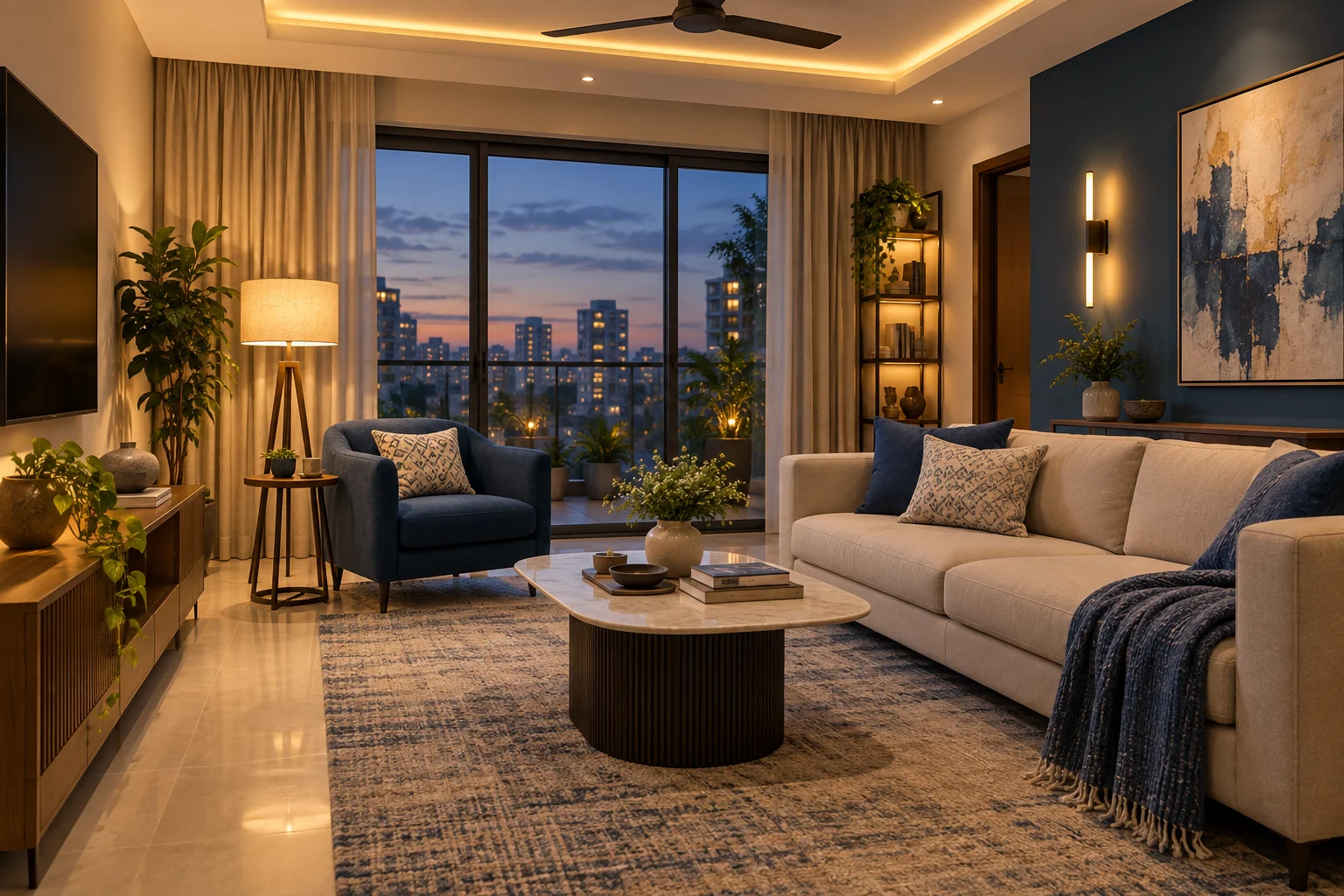
Godrej Aveline lighting planning starts with how you want to use your apartment after sunset. A room that looks bright during a daytime visit may feel very different when you are reading, cooking or watching television. Before choosing attractive fittings, map the activities that need clear light, the places that benefit from a softer atmosphere and the switches you expect to reach comfortably. This guide explains a planning process without assuming that any suggested fitting is supplied by the developer.
Keep your selected apartment drawing beside the Godrej Aveline project guide while making notes. Identify rooms by their actual dimensions and intended use. A lighting idea should support that particular plan rather than a generic photograph. Ask for the applicable electrical specification before deciding what to buy or change.
Begin with an evening activity map
Write down what normally happens between arriving home and going to bed. Your household might cook together, help children with homework, read beside a window or use the dining table for occasional laptop work. Assign each activity a likely position on the drawing. This reveals where a single central light might leave you wanting more useful illumination.
Include the less noticeable routines. Finding something in a wardrobe, sorting groceries and moving between rooms all deserve attention. Mark places where someone resting could be disturbed by another person switching on a bright fitting. The aim is not to fill every corner with equipment. It is to understand which lighting decisions make an ordinary evening easier.
Separate general light from focused light
General lighting helps you understand and move through a room. Focused lighting supports a task such as reading a book or preparing ingredients. Decorative lighting can emphasise a material or create mood. These functions can overlap, but thinking about them separately makes it easier to explain your priorities to a qualified electrical professional.
For example, a living room may need comfortable background light while someone reads beside a chair. A dedicated reading lamp can serve that seat without requiring every other fitting to be bright. You can compare the room information in the Perfect Neighbourhood Godrej Aveline listing with your selected drawing, while verifying supplied electrical points separately.
Plan around furniture before buying fittings
Place the sofa, dining table and principal storage units on the plan first. A pendant selected before the dining arrangement is settled can end up poorly aligned with the table. Similarly, a floor lamp may look appealing but compete with a doorway, curtain or everyday walking route. Test the position with the furniture you intend to keep.
Measure the height and reach of reading seats as well as their floor footprint. Notice whether a lamp would shine directly into another person's eyes or reflect on a nearby screen. A temporary arrangement with existing furniture can help you identify uncomfortable positions before committing to a permanent fitting. Keep a clear route around furniture and avoid trailing cables across circulation space.
Think carefully about kitchen tasks
The kitchen deserves a conversation about where work actually happens. Consider the areas used for chopping, washing, reading labels and setting down cooked food. Your own position may interrupt light from a fitting behind you. Discuss the relationship between overhead lighting, cabinets and work surfaces instead of judging the kitchen only by how bright the room looks overall.
Check what the developer provides and what belongs to your later interior work. Cabinet lighting, drivers and switches need coordinated planning with the cabinetry and electrical design. For a second project reference, consult the Godrej Aveline Yelahanka overview on Houseadda. Treat listing photographs as illustrations unless the supplier confirms that they show your applicable specification.
Give bedrooms more than one routine
Bedrooms can support reading, dressing, conversation and rest at different times. Discuss whether two people need independent control beside the bed. Think about the route from the bedroom entrance to each sleeping position, particularly when one person goes to bed earlier. An arrangement that suits a staged photograph may be inconvenient when someone needs to move quietly.
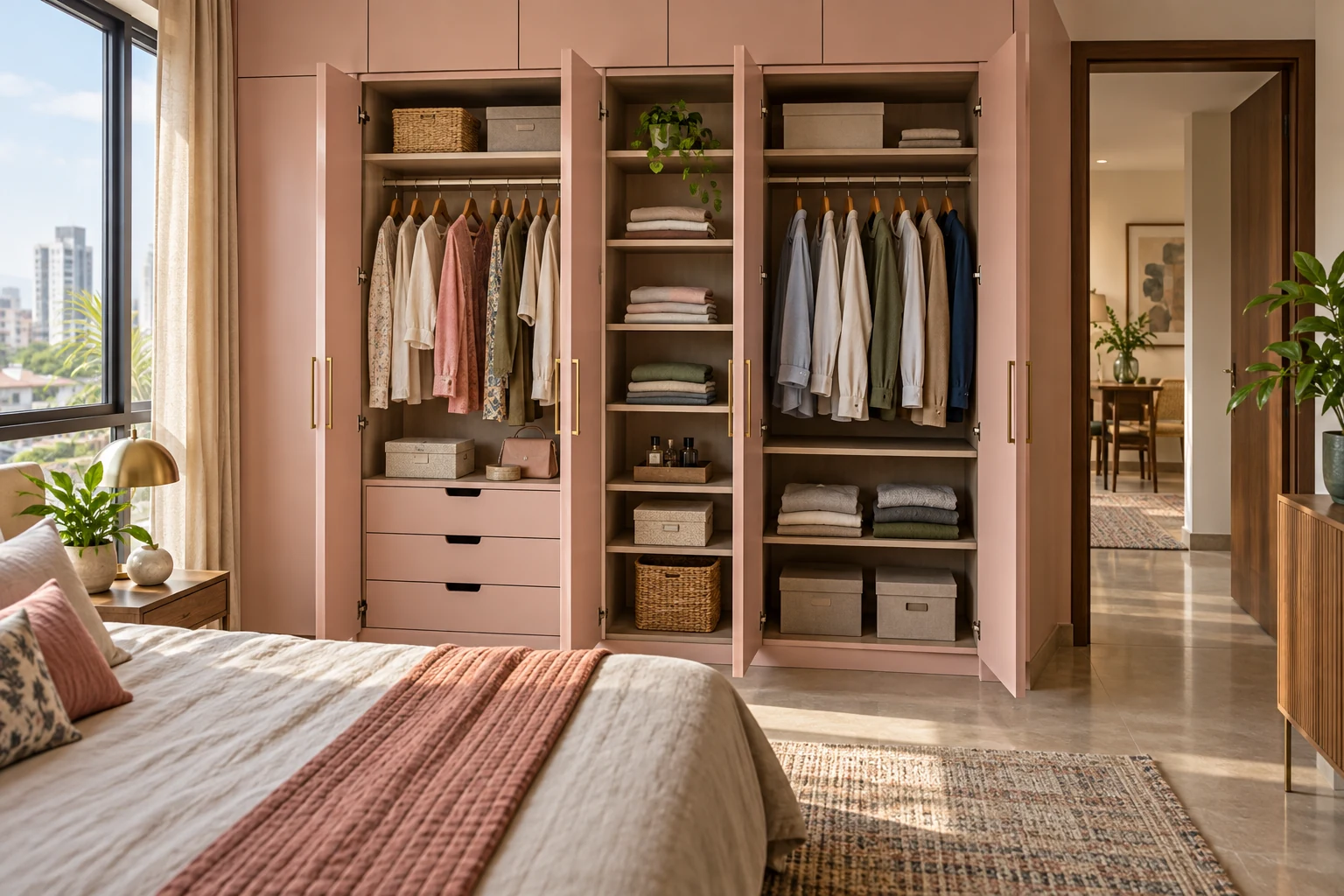
Wardrobes introduce another practical question: will stored clothes be easy to see when doors are open? Consider door movement, shelves and your standing position together. Do not assume every cabinet needs integrated lighting. Sometimes furniture placement or a different room fitting addresses the problem more simply. Ask the designer to demonstrate the proposed effect before approving additional components.
Check colour and glare in a sample setting
Light can change the apparent colour of walls, fabrics and timber finishes. View important samples under the type of light you are considering, rather than making every decision in a showroom with different conditions. Compare coordinated options. A clear preference based on your actual materials is more useful than an extensive list of unrelated product names.
Also look for reflections on glossy surfaces, mirrors and screens. Stand and sit in the positions you will use. A fitting that feels comfortable from the doorway can be distracting from the sofa. Record the problem in plain language so your supplier can propose a suitable alternative. Avoid treating brightness alone as proof that a lighting arrangement will feel comfortable.
Keep controls understandable
Plan controls around the person using the room. Identify the main entry switch, any separate task lighting and the controls you would want beside a bed or chair. If several fittings share a circuit, ask what happens when that circuit is switched on. Clear grouping can make the system easier to understand for family members and visiting guests.
If you are considering smart controls, discuss compatibility, ordinary manual operation and the steps needed when a component is replaced. Your home should remain understandable without a long explanation each evening. Write down the intended function of each control before installation. Have electrical alterations assessed and carried out by a qualified professional under the applicable project and building rules.
Compare home formats without copying their plans
A lighting arrangement designed for a multilevel home may not translate directly into an apartment. Circulation patterns, stairs and the relationship between rooms can change the task. If your shortlist includes Godrej Row Houses Soukya Road, compare the activities you want to support rather than copying the number or placement of lights from another property.
For Aveline, return to the chosen unit and list the questions that remain unresolved. Confirm the drawing revision, supplied points and any restrictions affecting your proposed work. Keep optional interior improvements separate from features promised in the property documents. This distinction helps you build a realistic furnishing budget and prevents a conceptual idea from becoming an assumed inclusion.
Test a small arrangement before expanding
If your furnishing schedule allows it, test a representative seating area before ordering the same fitting for several rooms. Place a fabric sample, a book and a screen where they would normally be used. Observe the arrangement from the chair, the doorway and the opposite side of the room. Record what works and what needs adjustment while the comparison is still fresh.
Ask the supplier which parts of the demonstration match the final proposal and which are temporary. A different shade, mounting height or nearby surface may change the result. Keep the agreed references with your room notes so a later substitution is reviewed consciously. This is particularly helpful when several people are buying furnishings independently and could otherwise choose conflicting finishes or controls.
Finally, assign responsibility for checking the completed room. Someone should confirm that the intended activities remain comfortable after curtains, furniture and decorative objects are installed. Small positioning adjustments may be easier at that stage than living with a distracting reflection. Treat this review as part of furnishing the home, with time set aside for it before considering the room finished.
Make a short approval checklist
Before placing an order, check that furniture positions, finishes and control groups agree with one another. Record product references and ask who will coordinate installation. Establish how you will review the result once the room can be experienced after dark. Keep relevant supplier information together so later maintenance does not depend on remembering a verbal explanation.
Use the Houseadda Aveline project page to organise any remaining project questions, then discuss the current specification with the team. You can return to our Godrej Aveline apartment overview for the broader project context. A useful lighting plan ends with clear decisions about daily activities, practical positions and confirmed responsibilities, not simply a shopping list of attractive fittings.
More Godrej Aveline articles
EXPLORE THE PORTFOLIO
Projects by the same builder



Browse all Godrej project guides
Discuss your Godrej Aveline shortlist
Ask for the project details relevant to this guide.
Chat about Godrej Aveline Lighting: Plan Room by Room