GODREJ SOUKYA ROAD · FURNISHING PLAN
Godrej Soukya Road: Furnishing in Stages
Build a staged furnishing plan for Godrej Soukya Road that prioritises daily needs and leaves room for informed later choices.
12 September 2026 · 1,400 words · About 8 minutes
Ask about this topic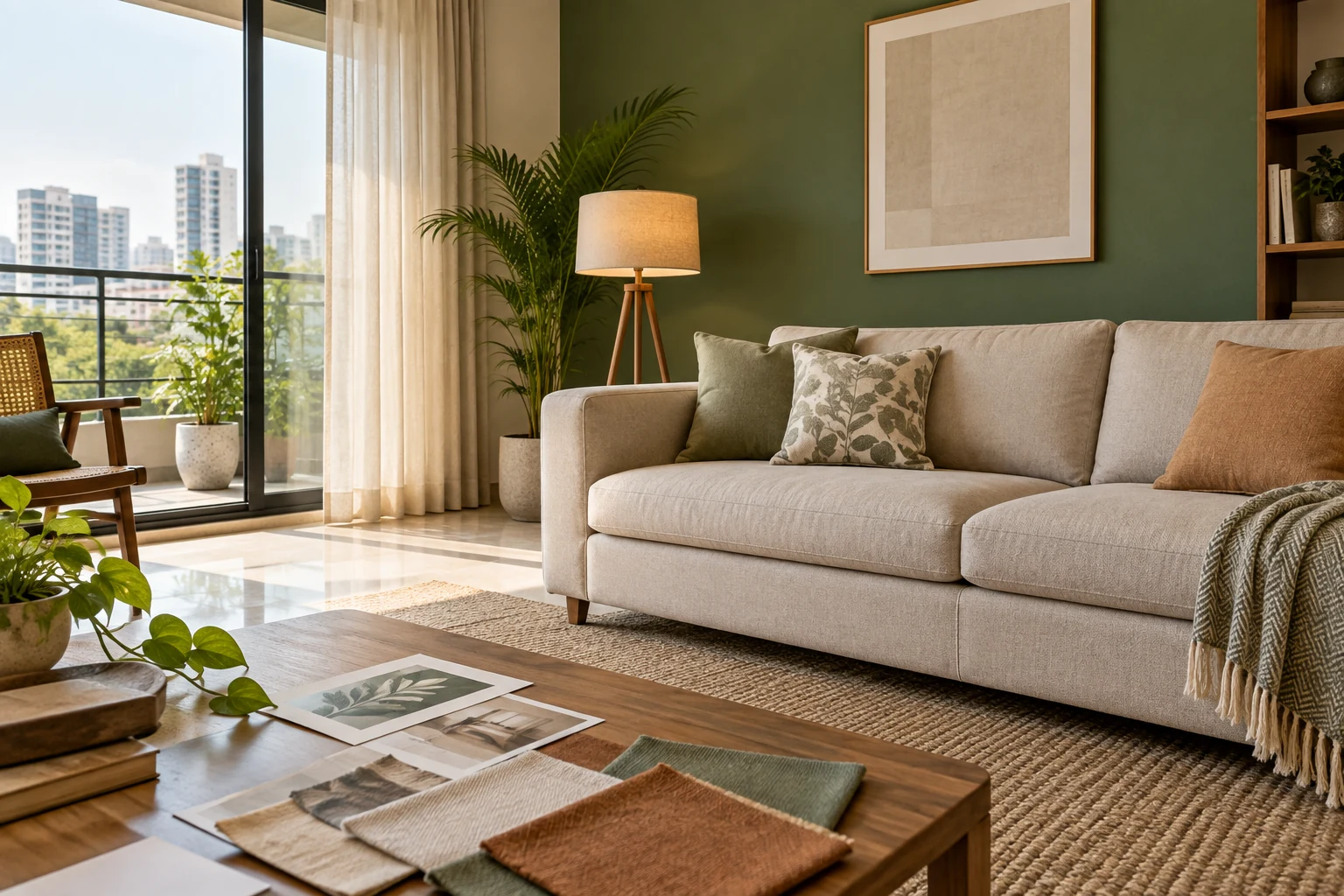
A Godrej Soukya Road furnishing plan does not need every room to be complete on the first day. Buying in stages can give the household time to learn how it uses the home and which pieces genuinely improve daily life. The aim is a deliberate sequence, with essential functions ready and less urgent decisions made from experience rather than pressure to fill empty space.
Start with the Godrej Row Houses Soukya Road project guide and confirm the relevant supplied specifications. Separate what comes with the home from the furnishings and installations you would arrange. This article concerns organising those personal choices, not a quotation for interiors or a claim about included furniture.
Define what must work on the first day
List the activities the household cannot comfortably postpone: sleeping, ordinary meals, essential storage and any regular work requirement. The list will differ between families. A person working from home may need a dependable desk arrangement immediately, while a formal sitting room can wait. Prioritise functions before individual products.
For each function, identify what you already own that can serve it. A move does not require replacing every useful piece. Measure the items and check their condition, access and suitability for the intended room. Keeping a familiar table temporarily may allow a better decision about the eventual dining arrangement.
Avoid confusing a temporary solution with a careless one. A practical first-stage arrangement should still be suitable for its use and installed appropriately. The flexibility comes from postponing optional purchases, not from improvising essential electrical work or using furniture in ways its supplier does not support.
Separate installation work from movable purchases
Some decisions affect later access or involve work best coordinated before occupation. Others involve furniture that can arrive whenever the household is ready. Ask the relevant professionals to identify dependencies, such as an installation route that would become harder to reach after cabinetry is fitted.
Record those dependencies in the sequence. A lamp or occasional chair may wait, while a necessary provision should be clarified before a fixed unit covers the wall. The order should follow practical relationships between tasks rather than the order in which attractive products appear during shopping.
The Godrej Whitefield villas overview can help organise the property shortlist. For furnishing decisions, rely on the actual home specification and the proposals from your chosen suppliers, with assumptions clearly identified before orders are placed.
Measure before committing to large pieces
Use the actual room information and allow for furniture in use, not just its closed footprint. A wardrobe door, dining chair or reclining seat changes the occupied space. Include the route through the room and the other pieces that must remain. A single item fitting against a wall does not establish that the complete arrangement will work.
Check delivery and assembly as part of the purchase. The furniture delivery guide explains why package dimensions and internal turns matter in a home with levels. Resolve difficult items before dispatch rather than treating access as a problem for delivery day.
Keep a short record of confirmed measurements and the source of each one. If a room has not yet been measured in its relevant finished state, mark the dependent purchase accordingly. This is more useful than keeping several unlabelled screenshots that may show different versions of a plan.
Learn which rooms attract use
After the essential arrangement is in place, observe where the family spends time. A room expected to be formal may become the favourite everyday sitting area, while another remains quiet. Use those observations to guide the next stage. The household's actual choices are better evidence than the labels assigned during the first planning conversation.
Notice where belongings accumulate. A recurring pile may indicate missing storage, an inconvenient destination or an item that does not belong in that room. Do not automatically solve every pile by purchasing another cabinet. First identify what the belongings are and what action should follow.
When browsing Soukya Road project search results, keep inspiration separate from your measured furnishing brief. The brief should become more specific as you learn the home, while the inspiration folder can remain a source of possible styles.
Set a purpose for the second stage
Choose the next improvements from observed needs. Perhaps the household needs better book access, a more comfortable reading seat or a dining arrangement that accommodates its usual meals. Give each purchase a clear reason. This reduces the chance of buying several attractive items that compete for the same space without solving a real problem.
Group related decisions where that helps. A chair, lamp and side table should work together, so consider their combined footprint before ordering separately. The same applies to a desk and storage or a dining table and chairs. Staging does not mean ignoring how the final arrangement will connect.
Keep optional rooms lightly furnished until their role becomes clear. An empty area can be useful flexibility, especially when household needs are changing. It does not have to be filled simply because the rest of the house looks finished.
Coordinate suppliers without overlapping chaos
Ask suppliers about delivery windows, assembly requirements and the space they need to work. Avoid scheduling several large installations that depend on the same route or room at once. A coordinated sequence can reduce repeated moving of boxes and furniture and make it easier to inspect each completed item.
Agree where packaging will go and who removes it through the appropriate process. Keep records of orders, care instructions and relevant service contacts together. A staged project can run over time, so an understandable record prevents the household from losing track of what has arrived and what remains unresolved.
The Soukya Road row houses reference can support project enquiries, while supplier records support furnishing decisions. Keeping these documents distinct makes it easier to know whom to ask when a question arises.
Use a purchase pause with a purpose
Waiting is most useful when you know what information you are waiting for. A room may need a finished measurement, the household may need to choose its main sitting area or a supplier may need to confirm delivery access. Record that reason beside the postponed item so the decision does not remain indefinitely vague.
Set a practical trigger for reconsideration. It could be completion of a measurement, a few weeks of ordinary use or a confirmed change in household needs. The trigger should supply evidence, not simply create pressure to buy by a particular date.
When you revisit the item, ask whether the original problem still exists. Perhaps the temporary arrangement works well enough, or another purchase has changed the room. You are allowed to remove an item from the plan rather than treating every early idea as an obligation.
Keep style decisions connected across stages through a small selection of colours, materials or references you genuinely like. This can provide continuity without requiring every piece to come from one matching collection. Check samples in the relevant room where practical before making a substantial commitment.
Staging also allows the household to distinguish a lasting preference from a passing attraction. A furnishing that continues to solve a clear need after a period of use is easier to justify than something chosen only to make the room appear complete. The result can feel coherent while still reflecting how the family actually lives.
Keep the reasons for each later purchase visible in your notes, so the final arrangement grows from observed needs and confirmed information rather than a feeling that every room must look finished.
Know when to stop adding
A home does not need every wall occupied or every corner assigned a decorative object. Once daily activities work comfortably, further purchases should earn their place. Ask whether an item improves use, comfort or a style preference you truly value. Leaving space can preserve flexibility and make the existing arrangement easier to enjoy.
Imagine a household that postpones a large second sofa until it has lived with the first arrangement. It discovers that a reading chair and clear movement space suit the room better. The benefit of waiting is not simply buying less; it is buying something that fits an observed need.
Bring remaining provision questions to the Godrej Soukya Road project page. Wider Godrej Soukya Road search references can inform the original shortlist, but the strongest furnishing sequence follows confirmed measurements, essential functions and the way your household actually settles into the home.
More Godrej Soukya Road articles
EXPLORE THE PORTFOLIO
Projects by the same builder



Browse all Godrej project guides
Discuss your Godrej Soukya Road shortlist
Ask for the project details relevant to this guide.
Chat about Godrej Soukya Road: Furnishing in Stages