GODREJ SOUKYA ROAD · HOBBY ROOM
Godrej Soukya Road: A Creative Hobby Studio
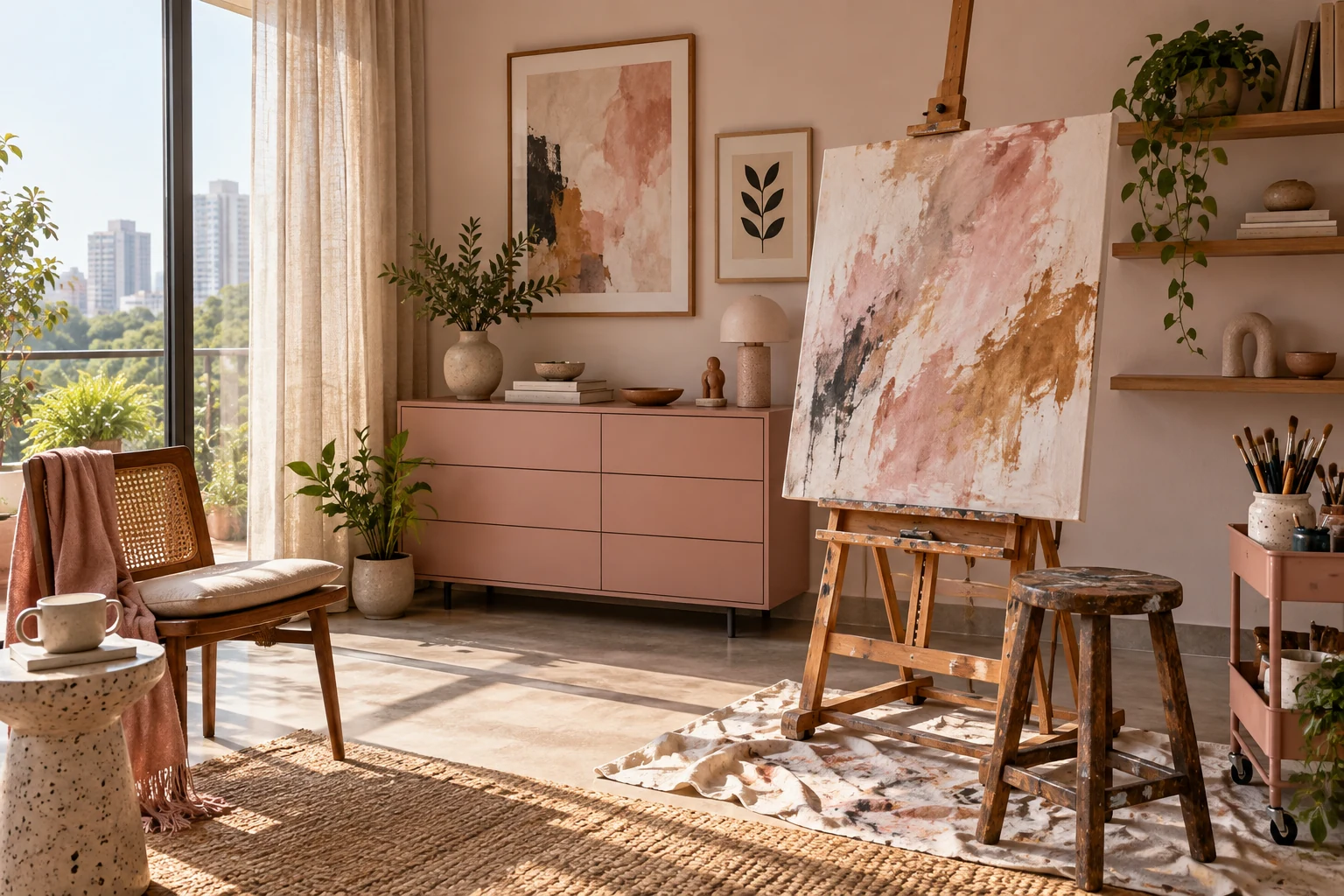
Create a practical Godrej Soukya Road hobby room with workspace, material storage and a clear setup and cleanup routine.
12 September 2026 · 1,400 words · About 8 minutes
Ask about this topicIn this guide
A Godrej Soukya Road hobby room should make it easier to begin the activity you enjoy. If every painting session starts with clearing a dining table and ends with hiding supplies in several cupboards, a better arrangement could change how often you create. The aim is not to build a showroom full of equipment. It is to reduce the effort between having an idea and working on it.
Use the Godrej Row Houses Soukya Road project guide to explore the home you are considering, then identify which room could support your actual hobby. A proposed studio is a personal furnishing choice, not a confirmed supplied feature. Match its requirements to the relevant room and provisions before planning permanent work.
Start with one real creative session
Describe the last project you worked on from beginning to end. Where did materials come from? How much surface did you use? What needed to remain undisturbed afterward? A sewing session, watercolour study and model-building project have different demands, even though all might be described as hobbies. Plan for the activity rather than the general label.
Separate the tools used every session from occasional supplies. The everyday set deserves the easiest access. Materials for a project you might attempt someday should not displace the work surface used weekly. This inventory can also reveal duplicates that do not need to move into the new room.
Estimate setup and cleanup effort honestly. If a thirty-minute creative session requires fifteen minutes of preparation, the arrangement may discourage use. A modest improvement, such as keeping the current project together in one suitable container, can matter more than an impressive new cabinet.
Protect the main work surface
Choose a surface appropriate to the activity and the products used. Check care instructions and any relevant requirements rather than assuming a decorative desk can tolerate every craft process. Leave enough usable area for the project itself, reference material and the tools actively in use. Storage piled permanently on the tabletop reduces that working space.
Think about whether you work seated, standing or in both positions. Try the arrangement before ordering fitted furniture. Include the movement needed to turn, reach supplies or step back to view the work. A surface that fits against a wall may still leave too little room for the way you create.
The Godrej Whitefield villas property overview can provide shortlist context. For studio planning, ask for the actual room information and identify which parts of your proposal are movable furniture and which would require approved installation.
Store materials by the next action
Organise supplies around how you retrieve them. A box for an active project may be more useful than separating every tool into a different drawer across the room. Keep frequently paired items close together, while following the storage requirements of the materials involved. Products with specific handling instructions need an appropriate arrangement, not merely a visually matching container.
Give unfinished work a defined place. A painting waiting to dry or fabric pieces prepared for sewing may not fit back into the original storage box. Plan that temporary stage so the main surface can remain usable. Without it, a hobby room can quickly become a store for projects that are difficult to resume.
IKEA's hobby-space organisation ideas show how creative activity can share a room. Use the examples as prompts for your own setup and cleanup routine. You do not need to reproduce the furniture or turn the entire room over to one activity.
Check light and practical provisions
Observe the work position at the time you normally create. Someone who paints on weekend mornings needs a different test from someone sewing after dinner. Consider where your hands and body cast shadows and whether the chosen lamp can serve the task conveniently. Any fixed lighting or electrical additions should be planned by an appropriate professional.
Identify appliance or equipment requirements before purchasing. If the hobby involves processes with particular ventilation, electrical or material-handling needs, obtain suitable advice for the actual room. A spare bedroom should not automatically be treated as appropriate for every workshop activity. Keep the scope of your proposed use clear.
While browsing Soukya Road project search references, save unanswered provision questions for direct discussion. A general description of spacious interiors cannot confirm that a particular piece of creative equipment can be installed or operated as you intend.
Decide whether the room will be shared
A hobby studio may also need to serve another person or activity. Agree which surface belongs to whom and how the room returns to its shared state. A household member should not have to dismantle an unfinished project every time they want to use their own part of the room. Clear boundaries can be simple and need not make the space feel formal.
If children participate, choose storage and supervision arrangements appropriate to the materials and users. Keep the family version of the activity distinct from equipment or supplies intended only for adults. A shared creative session works better when the needed materials are prepared beforehand rather than discovered in an overflowing cupboard.
For activities that involve instruments, the music practice planning guide explores a different set of room and neighbour considerations. Do not assume that one general hobby arrangement will work equally well for painting, sewing and amplified sound.
Leave a route for projects to leave
Finished work also needs a destination. Decide whether it will be displayed, stored, gifted or photographed and then released. Without that decision, the studio can fill with completed pieces while the next project loses its working area. A simple review of finished work can keep the room useful without making creativity feel like a storage problem.
Consider how larger materials enter the room. An easel, worktable or oversized board may require an access check before purchase. Confirm delivery and assembly requirements with the supplier. This is particularly relevant if your preferred studio is on an upper level and the item has a rigid frame.
Use the Soukya Road row houses reference for property context and keep a separate studio brief for suppliers. That brief should describe the activity, equipment, working surface, temporary storage and any professional checks still required.
Write a project parking rule
Creative work often pauses before it is finished. Decide how many unfinished projects can remain active and where each one waits. This does not need to be a strict productivity rule; it is a way to protect the workspace from gradually disappearing beneath unrelated materials. A clearly defined project container or appropriate temporary surface can make returning to the work easier.
When a project has been untouched for a long time, review whether it should remain active, move to suitable storage or be released. The decision belongs to the maker. The purpose is to make the room support current interests without turning every past experiment into a permanent claim on the worktable.
Keep inspiration separate from materials ready for use. Photographs, sketches and possible future ideas may need a modest folder rather than a large collection of supplies purchased in advance. Buying materials for every imagined project can fill the studio before the first session begins.
If several people use the room, give each active project an understandable boundary. Nobody should need to guess whether a piece can be moved or whether a container holds something still in progress. Agreeing these small details protects both the work and the shared room, making creative time easier to begin and less frustrating to finish.
A small photograph of the ready workspace can also help shared users understand how the room should be left. Update it when the arrangement changes, and keep the expectation practical enough that finishing a short session does not require an elaborate reset routine.
Build the studio in a useful order
Start with the work surface, suitable seating and the supplies needed for your current practice. Add specialised storage after observing what remains inconvenient. Buying every organiser first can lock you into a system designed around containers rather than the way you work. A few ordinary sessions provide better evidence than a shopping list created before the room is used.
Return to the Godrej Soukya Road project page with your room requirements, and use Godrej Soukya Road search results for broader comparisons. The strongest studio plan is one that makes starting easy, keeps active work manageable and lets you finish a session without losing the room to clutter.
More Godrej Soukya Road articles
EXPLORE THE PORTFOLIO
Projects by the same builder



Browse all Godrej project guides
Discuss your Godrej Soukya Road shortlist
Ask for the project details relevant to this guide.
Chat about Godrej Soukya Road: A Creative Hobby Studio