GODREJ SOUKYA ROAD · FAMILY LIVING
Godrej Soukya Road: Living With Parents
Explore Godrej Soukya Road family living through everyday independence, room choices and shared routines with parents.
12 September 2026 · 1,400 words · About 8 minutes
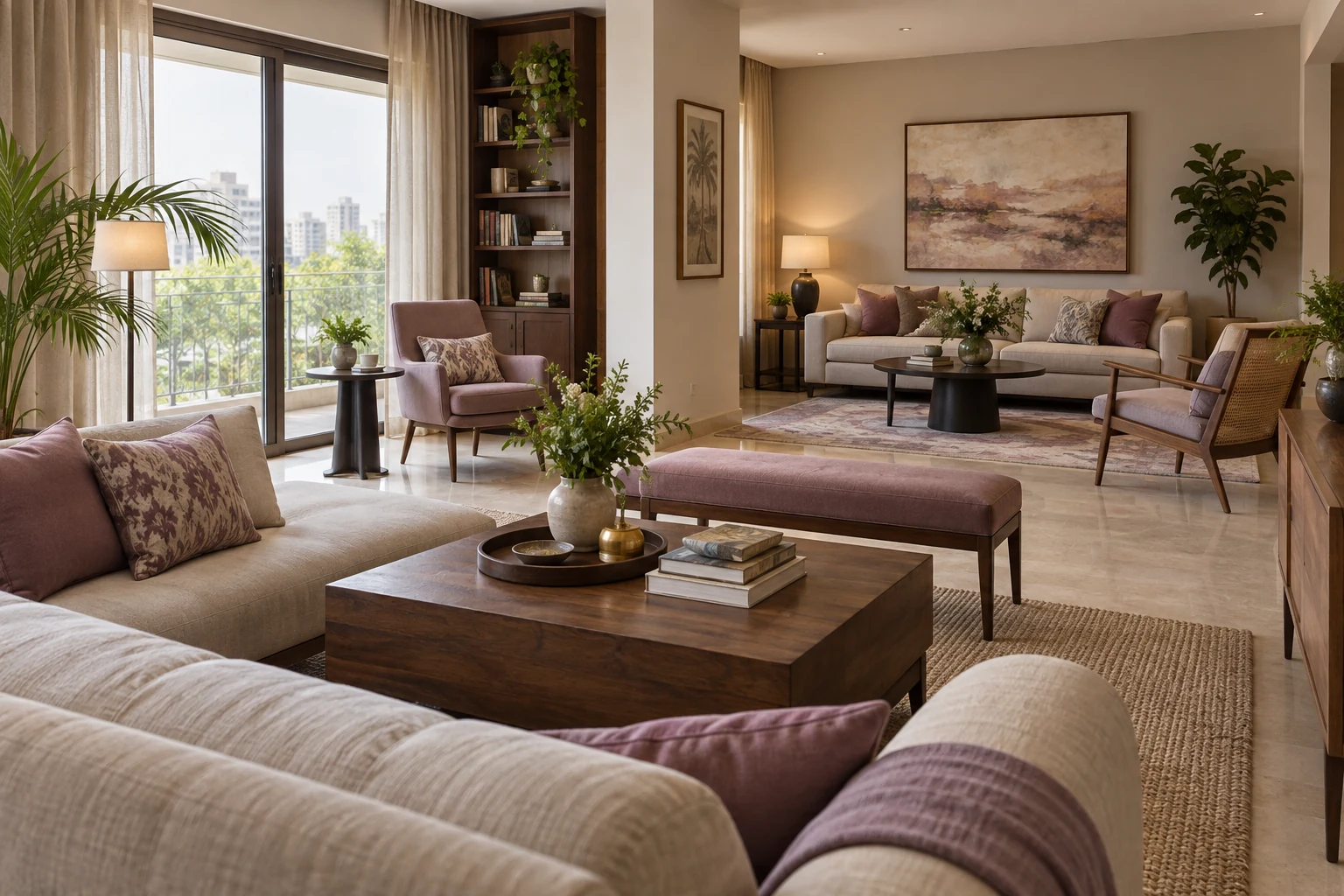
Ask about this topicGodrej Soukya Road family living can mean several generations sharing one address while keeping different daily rhythms. Parents may value a quiet morning, adult children may work late, and grandchildren may need a place to spread out after school. More rooms can help, but the way those rooms relate to everyday activities matters just as much as their number.
The Godrej Row Houses Soukya Road project page is the starting point for identifying the home you are considering. Use the actual unit information to test the family's requirements. This article offers a household planning conversation, not an assertion that any particular room arrangement or accessibility feature is provided.
Let parents describe their own priorities
Begin by asking how each person wants to spend an ordinary day. Avoid assigning preferences based only on age. One parent may enjoy being near family activity, while another values an independent reading or television routine. The most useful room choice is one that reflects the person who will use it, rather than what everyone else assumes they need.
Discuss privacy directly but gently. Ask whether visitors will be received in a shared sitting area or whether a quieter place would be useful. Consider phone calls, hobbies and the belongings each person wants close by. These are ordinary household preferences, and making them explicit can prevent small irritations after everyone moves in.
Write down the few requirements that materially affect room selection. A long wish list can obscure the essential points. For example, convenient access to a regularly used sitting area may matter more than a larger wardrobe. Let each person identify the tradeoffs they are comfortable making.
Compare a complete daily route
Trace the route from the proposed bedroom to the places used most often: bathroom, dining area, kitchen, entrance and preferred sitting space. Consider how frequently the route is repeated, including after an evening meal. If internal levels are involved, discuss the real routine with the people who will live there rather than treating every trip as equivalent.
Where a family member has specific access requirements, have the actual home assessed appropriately before relying on it. Do not infer suitability from a rendering or the label of a room. The useful questions concern confirmed dimensions, provisions and the person's individual needs, not a general claim that a larger home suits everyone.
The Godrej Whitefield villas marketing overview can inform the wider shortlist. Your family's route exercise provides a different kind of evidence: it shows whether the proposed daily arrangement would be convenient for the people who matter.
Balance togetherness and independent time
A shared home works better when family time does not require everyone to enjoy the same activity. Consider whether one person can read while another watches television or speaks to visitors. The answer may involve separate rooms, a different furniture arrangement or agreed times. It does not necessarily require filling every available space with another full sitting suite.
Think about the transition between private and shared areas. Someone should be able to join a meal or conversation without feeling that they have left all personal space behind. Equally, a bedroom should not become the only retreat whenever the main living room is busy. Discuss what each person would actually choose on a typical evening.
IKEA's ideas for privacy in shared living can prompt that conversation. Treat the examples as inspiration rather than a room prescription. Your household may prefer different boundaries, furniture and routines.
Make shared storage fair and understandable
Agree which storage belongs to each person and which holds communal items. Parents moving from a long-established home may bring books, photographs, tableware or collections with personal meaning. Discuss these early, without assuming that everything must fit into one bedroom or that a move requires discarding treasured belongings.
Inventory the items together and identify what will be used, displayed or stored. This can reveal a need for accessible book storage or a shared cabinet that the initial furniture plan missed. It also prevents one person's belongings from gradually occupying every spare cupboard because no allocation was agreed.
The home library planning guide is useful when books are a significant part of the move. For wider property comparisons, Soukya Road project search results can remain in your research notes while you develop a separate household inventory.
Discuss meals and kitchen participation
Sharing a kitchen involves preferences as well as space. Ask who likes to cook, when meals usually happen and which items each person uses regularly. If several adults prepare food at different times, organise storage so they can find what they need without constantly asking another household member.
Consider whether everyone expects to eat together every day. A flexible routine may work better than an arrangement built around a perfect family dinner that rarely happens. Plan the dining area for the usual household first, then decide how occasional larger meals will work. The everyday experience deserves the strongest claim on the space.
Keep responsibilities explicit and revisable. The person who cooked most in a previous home may want a different role after moving. A shared address does not automatically settle household labour. A practical discussion about cooking, cleaning and shopping can be more valuable than an additional decorative feature.
Test the arrangement before permanent furniture
If possible, use a temporary furniture arrangement to learn how the family occupies the home. Notice which sitting area is chosen, where personal items accumulate and whether anyone regularly avoids a route. These observations help refine the plan without assuming that the first room assignment must remain fixed forever.
Review the arrangement after a normal week, not only after a celebratory visit. Hosting relatives can make every room seem busy, while an ordinary weekday reveals the true pattern. Ask each person what feels convenient and what still needs adjustment. Small changes made early can prevent a minor inconvenience from becoming a lasting frustration.
The Soukya Road row houses project reference may support your property questions, but the household discussion should remain personal. No marketing phrase can decide how much shared time or independence your family prefers.
Discuss visitors without making assumptions
Different generations may have different patterns of receiving friends and relatives. Ask where a visitor would sit, whether another household member can continue their normal activity and how the visit relates to shared meals. A home can support several social routines, but the family needs to agree how common spaces are used.
Avoid treating parents' visitors as occasional exceptions if they are a regular part of daily life. Equally, younger family members may need an ordinary place to spend time with friends. Fair room planning recognises these uses rather than reserving the most convenient space for whoever first claims it.
Consider personal calls and online conversations too. Someone may want to speak privately without retreating to bed or asking everyone else to stop their activity. A suitable chair and practical room choice can sometimes support that need more effectively than a larger formal sitting arrangement.
Keep the conversation open after moving. Preferences expressed before occupation can change when people experience the home. A parent who expected to use one sitting area may prefer another, and the household should be able to respond without making the change feel like a failure of the original plan.
The useful outcome is a shared understanding of ordinary hospitality: which spaces are communal, which remain private and how people communicate when a room will be busy. That understanding supports independence while preserving the ease of living together. It also gives a designer a clearer brief than a general request for a home suitable for a joint family.
Let each person revisit their preferences as ordinary life reveals what matters most.
Choose an arrangement everyone can explain
Imagine a family initially assigning bedrooms by size alone. After discussing routines, they discover that the person offered the largest room would prefer another room's relationship to shared spaces. They revise the allocation and leave one room lightly furnished until its role becomes clear. The better outcome comes from listening rather than applying a fixed hierarchy.
Return to the Godrej Soukya Road project guide with the family's agreed priorities and unresolved unit questions. You can revisit Godrej Soukya Road search listings for broader research, but judge the home through the people who will use it. A workable multigenerational arrangement gives everyone a place in daily life and a meaningful say in how the household runs.
More Godrej Soukya Road articles
EXPLORE THE PORTFOLIO
Projects by the same builder



Browse all Godrej project guides
Discuss your Godrej Soukya Road shortlist
Ask for the project details relevant to this guide.
Chat about Godrej Soukya Road: Living With Parents