GODREJ AVELINE · VIDEO WALKTHROUGH
Godrej Aveline: A Remote Video Walkthrough
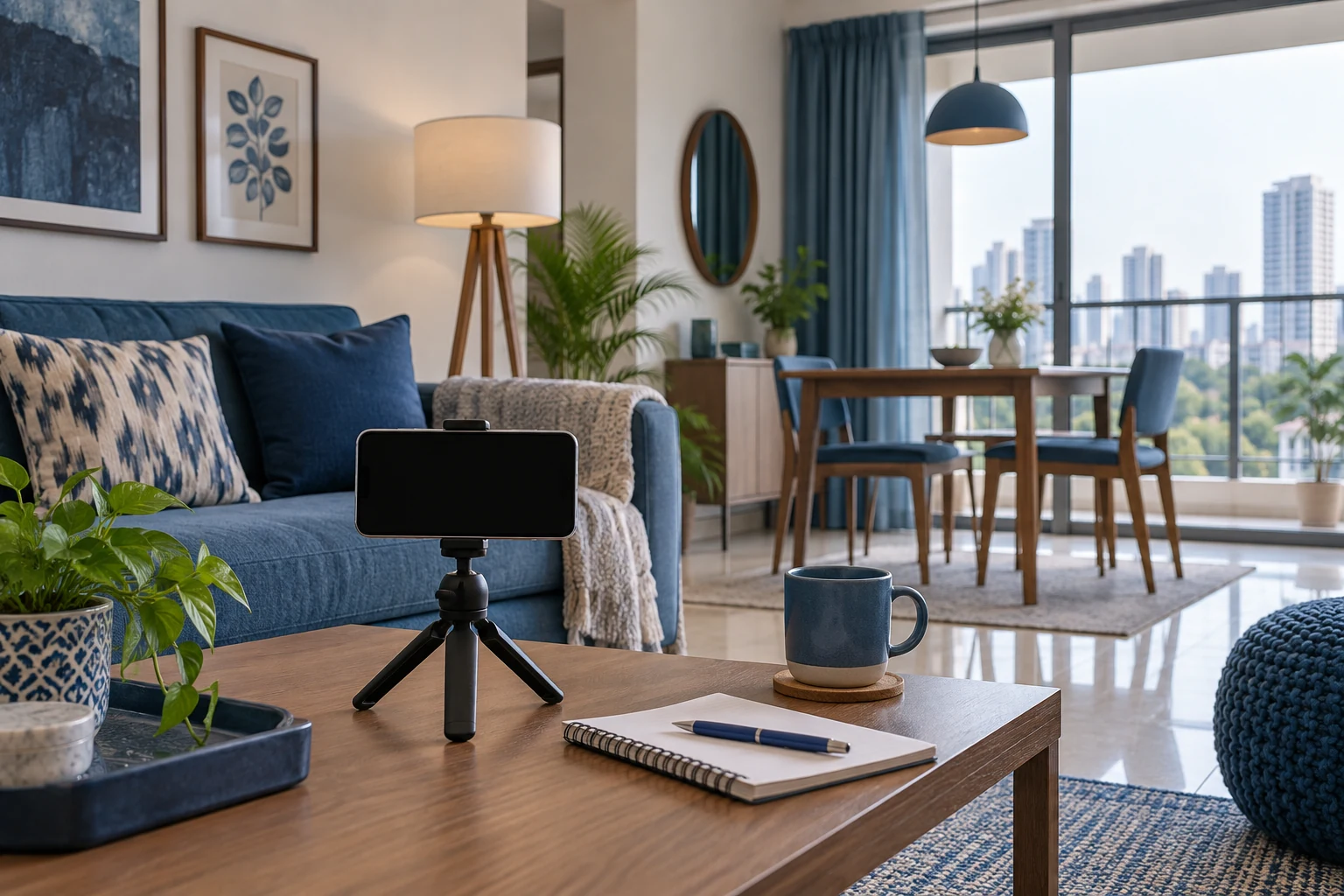
Prepare a Godrej Aveline video walkthrough that records room relationships, questions and evidence for a later visit.
12 September 2026 · 1,400 words · About 8 minutes
Ask about this topicIn this guide
- Establish exactly what the video represents
- Start at the entrance and keep the sequence clear
- Ask for useful views rather than dramatic angles
- Separate observation from interpretation
- Request a focused follow-up set
- Use the tour to prepare an in-person visit
- Keep a question log with evidence
- Keep the limits of the evidence clear
A Godrej Aveline video walkthrough can help a buyer ask better questions before an in-person visit. It is most useful when the recording shows how spaces connect and clearly identifies what is being viewed. A polished montage may communicate a design mood, but a practical walkthrough should also make unanswered questions easier to recognise.
Begin with the Godrej Aveline Yelahanka project page and state which apartment or reference you want to discuss. The official project overview provides project-level information. A remote tour should identify whether it shows a sample apartment, an actual unit, a construction-stage area or a digital visualisation.
Establish exactly what the video represents
Ask the presenter to identify the location and the relationship between the space shown and the unit you are considering. A sample apartment may demonstrate a configuration without reproducing every aspect of the selected home. Keep that distinction clear from the beginning rather than trying to infer it from the furniture or view.
Record the date and any relevant unit or plan reference. If the walkthrough is prerecorded, ask when it was made and whether it remains representative of the information being discussed. A useful recording has context; without it, a buyer can accidentally compare different configurations as if they were the same apartment.
Request a plain explanation of decorative or optional elements. Furniture, lighting and finishes shown for presentation should not automatically become assumed inclusions. Ask for the applicable specification separately and note which visual features require clarification.
Start at the entrance and keep the sequence clear
A continuous route helps you understand how rooms relate to each other. Ask the presenter to begin at the apartment entrance, then move through the spaces in an understandable order. Pausing at transitions is often more useful than quickly panning across an attractive room.
Keep a copy of the relevant drawing beside you and mark the route as it progresses. If the presenter moves to a different space without explanation, ask where it sits on the plan. The aim is to connect the drawing with the visible sequence, not merely collect separate images of rooms.
Request a return view from important rooms toward the connecting space. This can clarify circulation and door relationships that are difficult to understand from one direction alone. It also helps distinguish what is visible from what remains outside the camera's view.
Ask for useful views rather than dramatic angles
Wide-angle images can change the impression of room proportions. Treat them as visual references, not measurements. Ask for steady views that show corners, openings and relevant obstructions, and obtain reliable dimensions separately. A room appearing large on a phone screen does not establish how your furniture will fit.
For a specific furnishing question, explain the activity you need to assess. If two people will work from home, ask to understand the proposed room's openings and storage access rather than requesting only a general beauty shot. Clear questions produce more useful evidence.
The two-person office guide can help prepare that brief. Similar activity-based questions work for dining, a shared bedroom or a reading corner, provided the final decision uses the actual room information.
Separate observation from interpretation
Keep two columns in your notes: what the video shows and what still needs confirmation. You might observe the relationship between a room and a doorway, while the exact dimension or supplied finish remains a separate question. This prevents a visual impression from quietly becoming a factual assumption.
Ask the presenter to distinguish confirmed information from an estimate or general description. If a question cannot be answered during the tour, record it for follow-up rather than filling the gap yourself. An incomplete answer is more useful when clearly marked than when replaced with confident speculation.
Avoid treating the video as evidence of everything outside its frame. A view from one position cannot establish the full surroundings, changing light or conditions at another time. Use it to narrow questions for further investigation, not to eliminate the need for that investigation.
Request a focused follow-up set
After the first walkthrough, choose the few missing views that materially affect your shortlist. A focused request is easier to answer than asking for more video without explaining why. Identify the relevant room or point on the drawing and state what you need to understand.
Examples include the relationship between dining and kitchen access, a wardrobe opening or the position where a desk might go. Ask for appropriate measurements from a reliable source where dimensions matter. The video should complement those measurements rather than encourage you to estimate them from objects in the frame.
Keep the follow-up files labelled clearly. A date and room reference can prevent confusion when several videos arrive through different conversations. Store the relevant drawing and specification with them so the evidence remains connected to the same apartment discussion.
Use the tour to prepare an in-person visit
Turn unresolved questions into a visit list. Focus on matters the remote format could not establish well, including the lived experience of room relationships and the relevant surroundings. The list should become shorter and more specific after the video, rather than repeating every general project question.
If another household member will visit, share the same drawing and notes. Ask them to investigate the unresolved points rather than simply report whether they liked the apartment. Different people may notice different things, so a common brief makes their observations easier to compare.
For furniture decisions, the flexible dining guide illustrates why occupied movement matters. A visit can help test the practical arrangement, while the selected furniture still needs proper measurement and planning.
Keep a question log with evidence
Create a short log containing the question, the relevant room or plan reference, the answer received and anything still missing. Link the answer to the video or document that supports it. This prevents a later conversation from relying on a memory of something briefly shown on screen.
Use plain descriptions for unresolved points. For example, note that the relationship between a wardrobe and doorway needs clarification, rather than concluding that the room is too small. A precise question leaves room for the correct evidence to resolve it.
If several family members review the recording, ask them to use the same log. They may notice different details, and a shared record can prevent repeated requests for the same view. Keep preferences separate from factual questions so the presenter understands which answer is needed.
Record any change in the apartment or configuration being discussed. A useful answer about one unit may not apply to another. Do not carry measurements or observations across the shortlist without confirming that the relevant plan and specifications match.
When a follow-up arrives, close the question only to the extent the evidence supports. A clearer image may explain the room relationship while leaving the exact measurement unresolved. Partial answers are still useful when their limits remain visible.
Before the next visit or call, choose the few open items that could affect the decision most. This keeps the conversation focused and gives the project team a manageable request. The log should become a practical bridge between remote viewing and the next stage, not an ever-growing collection of general questions.
Retain the original files with their context so later comparisons remain traceable. A well-labelled record helps the household distinguish what it observed, what it was told and what still needs independent confirmation.
Keep that distinction visible when comparing another apartment, so an answer about one room does not become an assumption about a different unit later.
Keep the limits of the evidence clear
A video walkthrough can support a shortlist and improve communication, but it does not replace the relevant project documents, professional checks or final measurements. Decide what conclusion each piece of evidence can reasonably support. This keeps the process useful without asking a visual tour to answer questions outside its purpose.
Imagine two recordings of the same sample apartment. One is a short montage, while the other identifies the plan, follows a continuous route and records unanswered questions. The second may look less dramatic, but it gives a buyer a clearer basis for the next conversation.
Bring that structured question list to the Godrej Aveline project guide when arranging the next discussion. A successful remote walkthrough leaves you with a better understanding of the space, a clear record of what was shown and a manageable list of what still needs to be checked.
More Godrej Aveline articles
EXPLORE THE PORTFOLIO
Projects by the same builder



Browse all Godrej project guides
Discuss your Godrej Aveline shortlist
Ask for the project details relevant to this guide.
Chat about Godrej Aveline: A Remote Video Walkthrough