GODREJ SOUKYA ROAD · EVERYDAY CLEANING
Godrej Soukya Road: Robot Vacuum Planning
Check robot vacuum routes at Godrej Soukya Road, including thresholds, furniture clearance, docking and separate floors.
21 September 2026 · 1,400 words · About 8 minutes
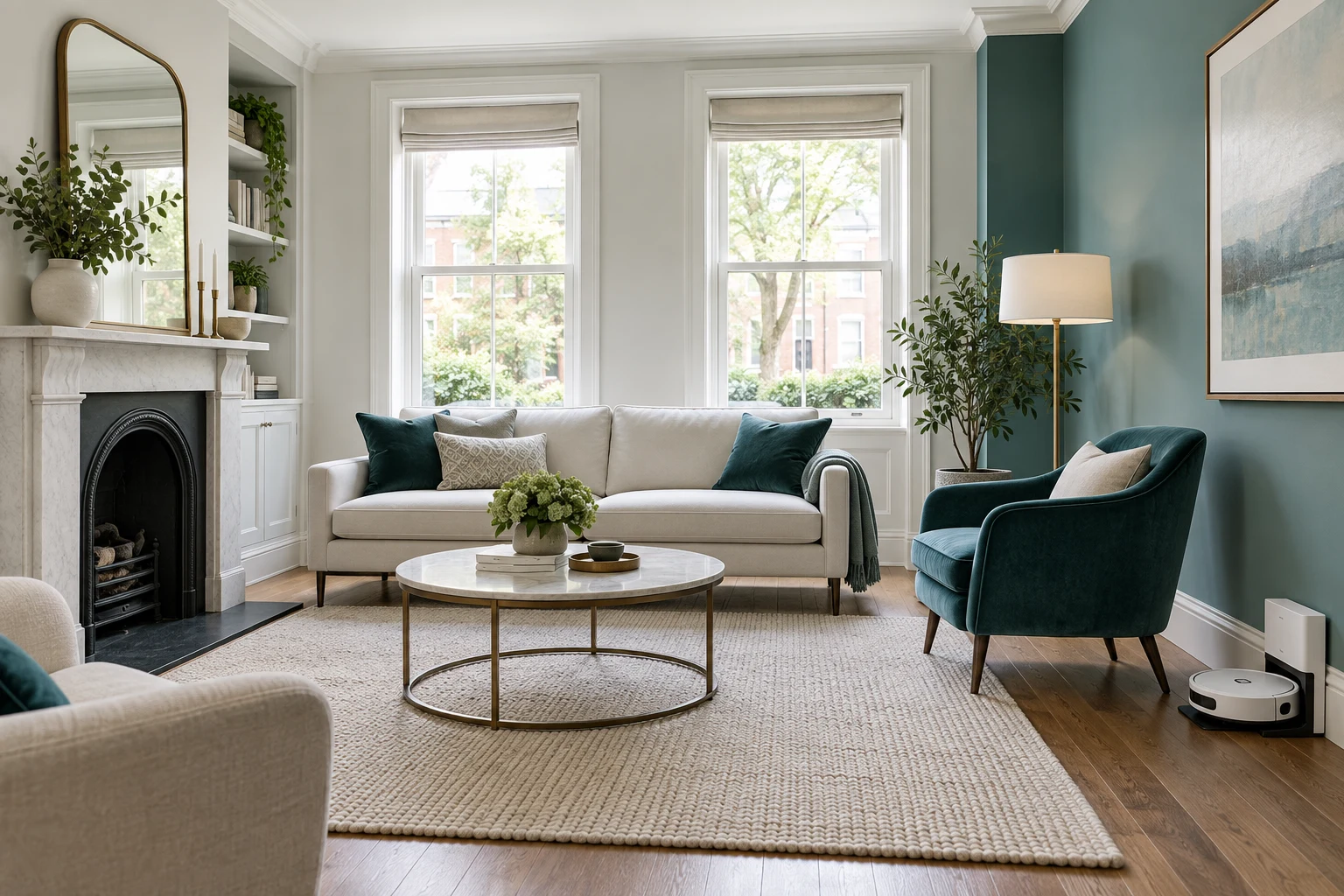
Ask about this topicA robot vacuum is easiest to plan for when you think about its daily route rather than the cupboard where it will be stored. In a multilevel home, furniture, door thresholds and docking space can matter as much as the machine itself. If a Godrej Soukya Road robot vacuum is on your furnishing list, review the selected layout before buying a model or building a cabinet around its base station.
This guide explains how to prepare the home for a product demonstration and an informed purchase. It does not confirm compatibility with a particular floor finish or promise that a device will clean every room. Keep the Godrej Soukya Road project information with your unit drawing, then use the exact model's instructions to check the practical details. A convenient cleaning routine begins with a realistic route.
Map the areas you want cleaned
Start with the rooms used most often. Mark the living area, dining space, bedrooms and passages on a copy of the plan. Then identify which areas you expect the machine to reach during a normal run. A complete map is more useful than saying that it should clean the whole house, because some rooms may usually have closed doors or items on the floor.
Include temporary obstacles. Dining chairs, a drying rack, children's play materials and bags can change the route from one day to another. You do not need a permanently empty house, but it helps to know what must be moved before a run. Discuss that preparation with everyone who shares the space.
The Godrej row houses Soukya Road reference can help with the broader home shortlist. For cleaning access, request the current layout and finish schedule for your unit. A room shown as open in a rendering may contain furniture or door arrangements that alter the route in everyday use.
Treat each floor as a separate routine
A conventional robot vacuum does not travel up and down a staircase to clean another level. Consider how you would move a portable unit, where it would operate and what its manufacturer supports for multiple maps or floors. Do not assume that every model handles relocation in the same way. Ask the supplier to demonstrate the process you intend to use.
Some households may prefer one machine used on selected floors, while others may consider separate devices. Compare the practical routine before comparing prices. Carrying a unit, preparing rooms and returning it to a dock all take attention. The simplest setup is the one somebody in the household can manage consistently.
Stairs and level changes require particular care. Follow the manufacturer's safety instructions and any required physical barriers or restricted zones. Do not rely solely on a promotional claim about sensors. If the room arrangement leaves uncertainty about a drop or edge, resolve that with the supplier before using the device there.
Check furniture clearance with real measurements
Measure the lowest usable clearance beneath sofas, beds and cabinets, including supports that may sit behind the visible edge. Compare those measurements with the complete operating height of the chosen machine. A device may enter beneath one part of a sofa and encounter a lower crossbar farther inside. A demonstration is more useful than a rough visual estimate.
Also consider the space between furniture legs. A dining arrangement can create narrow pockets that are awkward to reach. You may decide to adjust chairs before cleaning or accept that some areas will still need manual attention. That is a more realistic plan than redesigning every room around an appliance.
When reviewing Godrej Whitefield villas details, keep furniture shown in illustrations separate from the supplied home. Your own bed frames, console and dining chairs determine much of the cleaning access. Add their measurements to the room plan before deciding how extensive the machine's useful coverage will be.
Reserve a workable docking position
A dock needs the clearances specified for its model, together with suitable power and access for routine attention. Larger stations may need space for opening lids, removing containers or replacing supplies. Measure those actions, not just the closed unit. Avoid designing a tightly fitted enclosure unless the manufacturer confirms that the arrangement is suitable.
Choose a location that remains available. A corner normally occupied by a folded stroller or shopping bags may not be a reliable base. Check that a person can reach the dock without shifting heavy furniture. If the machine is intended to operate while the room is quiet, consider whether the station's maintenance cycle could be noticeable nearby.
Place cables according to the instructions and keep them out of walking and cleaning routes. Any required electrical work belongs with a qualified installer. Confirm the socket location on the relevant drawing or on site rather than assuming that a convenient outlet will be supplied where the dock looks best.
Review floor changes and loose materials
Thresholds, rugs and transitions between rooms can affect how a machine moves. Compare the actual heights and materials with the selected product's stated capabilities, then test where possible. Avoid treating a maximum figure in advertising as a guarantee for every threshold shape. The approach angle and surrounding space may also matter.
Look at rug edges, tassels, loose cables and lightweight objects before the first run. Follow product guidance for items that should be removed or excluded. If the machine includes a mopping function, verify compatibility with each floor finish and the maker's instructions for water, cleaning products and maintenance. A single cleaning setting may not suit every surface.
Use Soukya Road property search results for current project references, but base appliance decisions on the confirmed finish schedule. If a flooring product is still undecided, wait to finalise cleaning settings and accessories. This prevents assumptions about a material from becoming part of a routine before the material is installed.
Plan the work that remains manual
A robot vacuum is part of a cleaning arrangement, not a replacement for every household task. Identify the corners, stairs, upholstery and surfaces that still need another method. Keep the relevant tools accessible so the overall routine is coherent. Otherwise, the machine may save effort in one area while the remaining tasks become disorganised.
Choose run times around household activity. A dining room may be easiest to prepare after chairs are moved, while a study may need to remain quiet during calls. Start with a manageable schedule and adjust after observing real use. There is no need to automate every room immediately.
Keep maintenance instructions with the device and assign responsibility for checking consumable parts and containers. A routine that depends on an unnamed person is easy to overlook. Record the product model and service details so replacements can be ordered correctly without searching through old purchase messages.
Keep a short first-week observation record
During the first few runs, note which areas are reached, where preparation is needed and which transitions require attention. Follow the manufacturer's supervision and setup instructions throughout. A simple room list is enough; you do not need a complicated tracking system. Use the observations to adjust furniture positions only where the change also suits everyday living. If a problem repeats, ask the supplier about the appropriate response rather than improvising a ramp or changing safety settings. Keep any agreed exclusions visible to the household. The purpose of the trial is to establish a dependable routine, including the places that will continue to need another cleaning method, before treating the setup as complete.
Keep the supplier's written advice available.
Test before building permanent cabinetry
Ask the supplier whether a demonstration can reproduce the important parts of your layout. Bring measurements, photographs and details of the floor finishes. Test the proposed docking area, furniture clearance and any difficult transition where access is available. Record limitations as clearly as successful results so expectations remain realistic.
If you make another search for Godrej Soukya Road homes, keep the project research separate from product comparisons. A listing cannot verify how an appliance will behave in a furnished unit. Your demonstration notes and the manufacturer's instructions provide the more useful evidence for that decision.
Return to the Godrej Row Houses Soukya Road page when you need to organise questions about the unit itself. Finalise the appliance arrangement only after the relevant dimensions, surfaces and services are known. A carefully chosen route, accessible dock and modest preparation routine can make the device useful without allowing it to dictate the whole furnishing plan.
More Godrej Soukya Road articles
EXPLORE THE PORTFOLIO
Projects by the same builder



Browse all Godrej project guides
Discuss your Godrej Soukya Road shortlist
Ask for the project details relevant to this guide.
Chat about Godrej Soukya Road: Robot Vacuum Planning