GODREJ SOUKYA ROAD · FURNITURE REUSE
Godrej Soukya Road: Reusing Your Furniture
Plan which furniture to bring to Godrej Soukya Road with measured layouts, condition checks and a practical moving sequence.
21 September 2026 · 1,404 words · About 8 minutes
Ask about this topic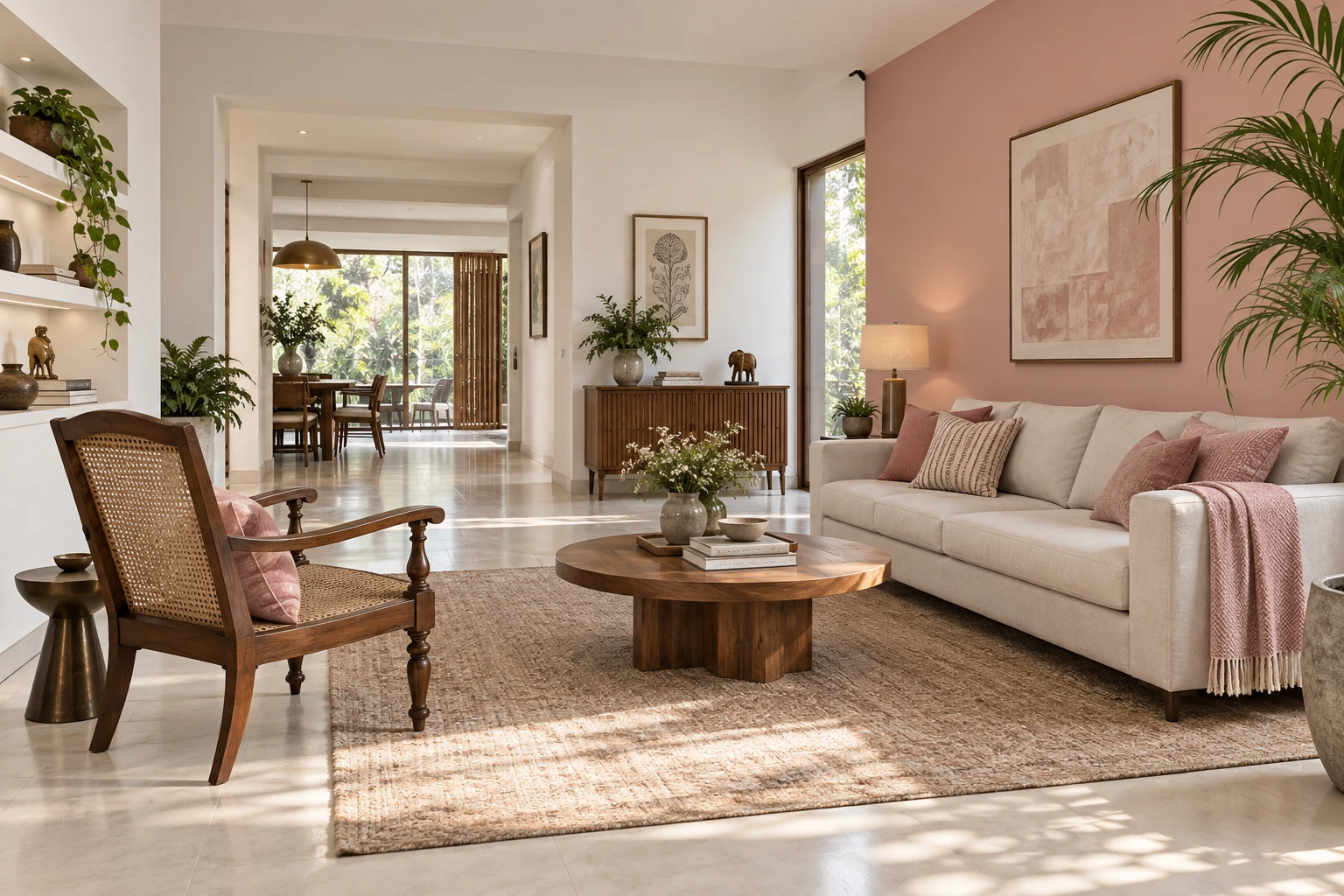
A considered home.
An easier routine.
Start with the activities that matter to your household, then plan the space around them.
Moving to a larger home can create pressure to replace furniture before you have tested what you already own. A familiar armchair, a useful dining table or a well-made cabinet may still have a place in the new layout. For Godrej Soukya Road existing furniture planning, start with measurements and household needs rather than a complete shopping list. Reuse works best when it is deliberate, not when every old piece is moved without a destination.
This guide helps you decide what to bring, what to repair and what to leave out of the first furnishing phase. It does not assume that every item will fit your chosen unit. Keep the Godrej Soukya Road project details beside the current floor plan, then build a furniture schedule that connects each piece to a real room and a useful purpose.
Make an inventory with decisions attached
List the substantial pieces you own, including sofas, beds, tables, desks and storage units. Record dimensions, condition and how frequently each item is used. Add a photograph so that household members and the designer can recognise it easily. A simple reference number helps when several similar pieces are being discussed.
Give each item an initial status: likely to bring, needs assessment or unlikely to suit the move. Keep sentimental value visible in the discussion without letting it replace a practical decision. An important family piece may deserve a prominent role, but it still needs an appropriate location and a workable delivery route.
When reviewing Godrej Row Houses Soukya Road information, request the unit variant you are actually considering. A furniture layout prepared for another configuration can lead to incorrect assumptions. Mark dimensions that still need site confirmation so provisional decisions do not become premature purchase or disposal instructions.
Measure the footprint and the working space
Record more than the closed dimensions of an item. A dining chair needs room to move, a recliner changes shape, drawers open and wardrobe doors swing. Include those actions on the layout. A piece can fit within a room's outline while making the room uncomfortable to use.
Measure unusual projections such as handles, arms and decorative tops. For a sofa, note whether legs or sections can be removed according to the manufacturer's instructions. For a bed, distinguish the mattress size from the complete frame. These details matter both for room planning and for delivery access.
Draw the largest items first and add the normal circulation routes. Then test doors and storage in their open positions. Avoid filling every gap simply because a piece can physically occupy it. Clear space is part of a useful room, especially where several people move through it at the same time.
Assign a purpose before assigning a room
Ask why each item is coming. A cabinet may hold books, dining supplies or family records, but it should not arrive as unspecified extra storage. Giving it a purpose helps determine the best location and whether its internal arrangement is suitable. It also makes it easier to see where two pieces duplicate the same job.
Consider changing a piece's role where appropriate. A small table might work beside a chair rather than in the entrance where it previously stood. A desk might serve occasional household paperwork rather than a full working day. Test the new use through dimensions and comfort instead of assuming that a change of room automatically creates value.
The Godrej Whitefield villas project reference may help you understand the overall home format, while your furniture decisions need a measured plan. Do not compare an existing sofa directly with the apparent size of furniture in a rendering. Perspective and styling can make those comparisons misleading.
Assess condition before paying to move it
Inspect joints, surfaces, drawers and moving parts. If a piece needs repair, ask an appropriate professional to assess the work and its practicality. Obtain a clear scope before arranging transport. It may be easier to complete some work before the move, while other tasks need coordination with the final room and access conditions.
For upholstered items, review condition and the care instructions. If reupholstery is being considered, compare the complete work involved rather than only the fabric price. Check how the finished dimensions or appearance might change. A repair decision should reflect the item's usefulness and condition, not simply a wish to avoid choosing something new.
Keep the household involved in decisions about meaningful objects. Photograph items that may be passed on and agree a responsible destination in advance. Avoid leaving this discussion until the moving team is packing. A clear decision reduces the chance that unwanted furniture arrives and occupies a room indefinitely.
Check the route into the home
A room plan is only half of the fitting question. Review the route from the delivery vehicle through gates, entrances, doors and any stairs. Ask the mover to assess large or awkward items using the available drawings and a site visit where appropriate. Do not assume that a piece which fitted through the old home's entrance will reach the intended room in the new one.
Identify dismantling and reassembly requirements with the relevant supplier or a competent professional. Keep fittings and instructions organised. Avoid improvising with a heavy or valuable item on moving day. Confirm who is responsible for the work and whether the item is designed to be taken apart.
Use Soukya Road property search results for broader project research, then verify delivery arrangements directly with the responsible contact. Access procedures, permitted timings and protection requirements should be current and specific to your move. A general property listing cannot settle those operational details.
Combine old and new pieces through the room
Reused furniture does not need to match every new purchase. Look for a balanced arrangement through scale, material and function. A strong existing piece may give the room character, while simpler additions allow it to remain useful. Try the composition before assuming that contrast is a problem that requires replacement.
Use smaller purchases to solve clear gaps. A side table, a lamp or a suitable storage insert may help an existing piece work better. Avoid buying decorative accessories to compensate for a layout that does not fit. Resolve circulation, seating and storage first; styling choices are easier after the room functions well.
Give yourself time to observe the furniture in the new light and proportions. Something that dominated a smaller room may feel comfortable in a different setting, while another piece may seem less useful than expected. A staged approach allows these observations to inform later purchases instead of committing the entire furnishing plan at once.
Keep a temporary placement plan
Identify a small number of pieces whose final location genuinely needs to be tested after the move. Give them a provisional destination that does not block circulation or prevent essential rooms from working. Record when the household will review them, so temporary placement does not become an indefinite arrangement. Avoid moving every uncertain item on the assumption that a larger home will absorb it. The provisional list should remain manageable and have a clear purpose. Once daily routines settle, compare each piece with the role originally assigned to it. Keep, reposition or pass it on through an appropriate route according to that review. This approach allows useful flexibility without turning spare rooms into storage for unresolved decisions. It also helps you postpone only the choices that benefit from living in the space, while completing the obvious decisions before the moving team arrives.
Prepare a room-by-room moving schedule
Assign each item a destination and show that destination on the mover's plan. Use clear room names and floor references. Identify pieces that need assembly, protection or special handling. Keep the schedule accessible during unloading so furniture is not placed temporarily in a room that later blocks the delivery route.
For another Godrej Soukya Road information search, retain the date and unit context of anything used for planning. Reconfirm dimensions and access before the move if the earlier information was provisional. A final check is especially useful when custom cabinetry or other interior work has changed the available space.
Return to the Godrej Soukya Road home overview for outstanding property questions, and keep the furniture inventory as a separate working document. After moving, review what is useful before ordering the next stage of furnishings. Bringing the right existing pieces can make a new home feel familiar while leaving enough flexibility to discover how each room works in everyday life.
More Godrej Soukya Road articles
EXPLORE THE PORTFOLIO
Projects by the same builder



Browse all Godrej project guides
Discuss your Godrej Soukya Road shortlist
Ask for the project details relevant to this guide.
Chat about Godrej Soukya Road: Reusing Your Furniture