
GODREJ MSR CITY · CONSTRUCTION UPDATES
Godrej MSR City Construction Update Guide
Assess Godrej MSR City construction updates using dated photos, tower references and documented progress.
24 September 2026 · 1,435 words · About 8 minutes
Ask about this topicA useful Godrej MSR City construction update identifies the phase, building, date and work being shown. A photograph of a tower can be informative, but it cannot answer every question about the wider development. Before judging progress, establish what the update covers and what evidence supports the description attached to it.
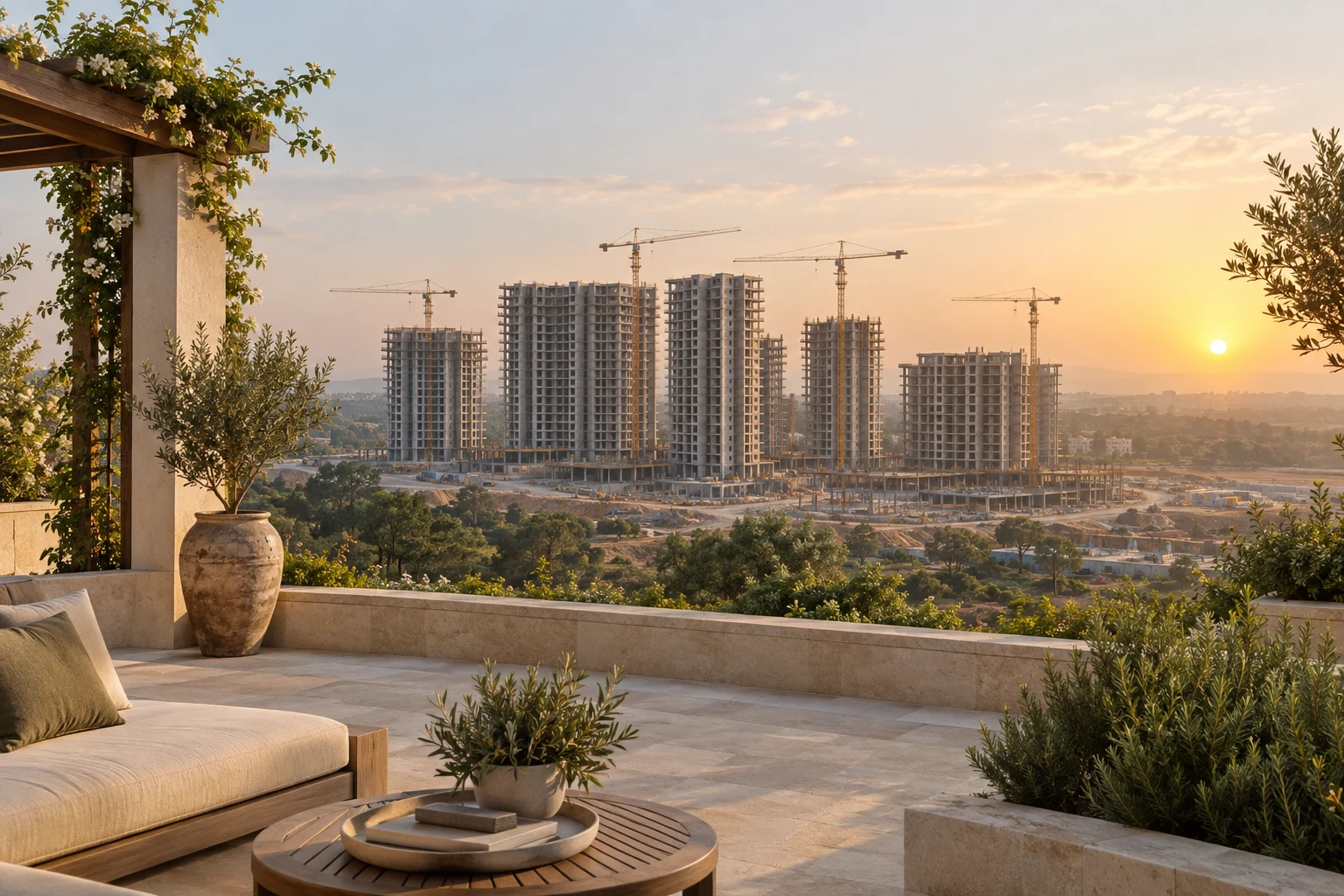
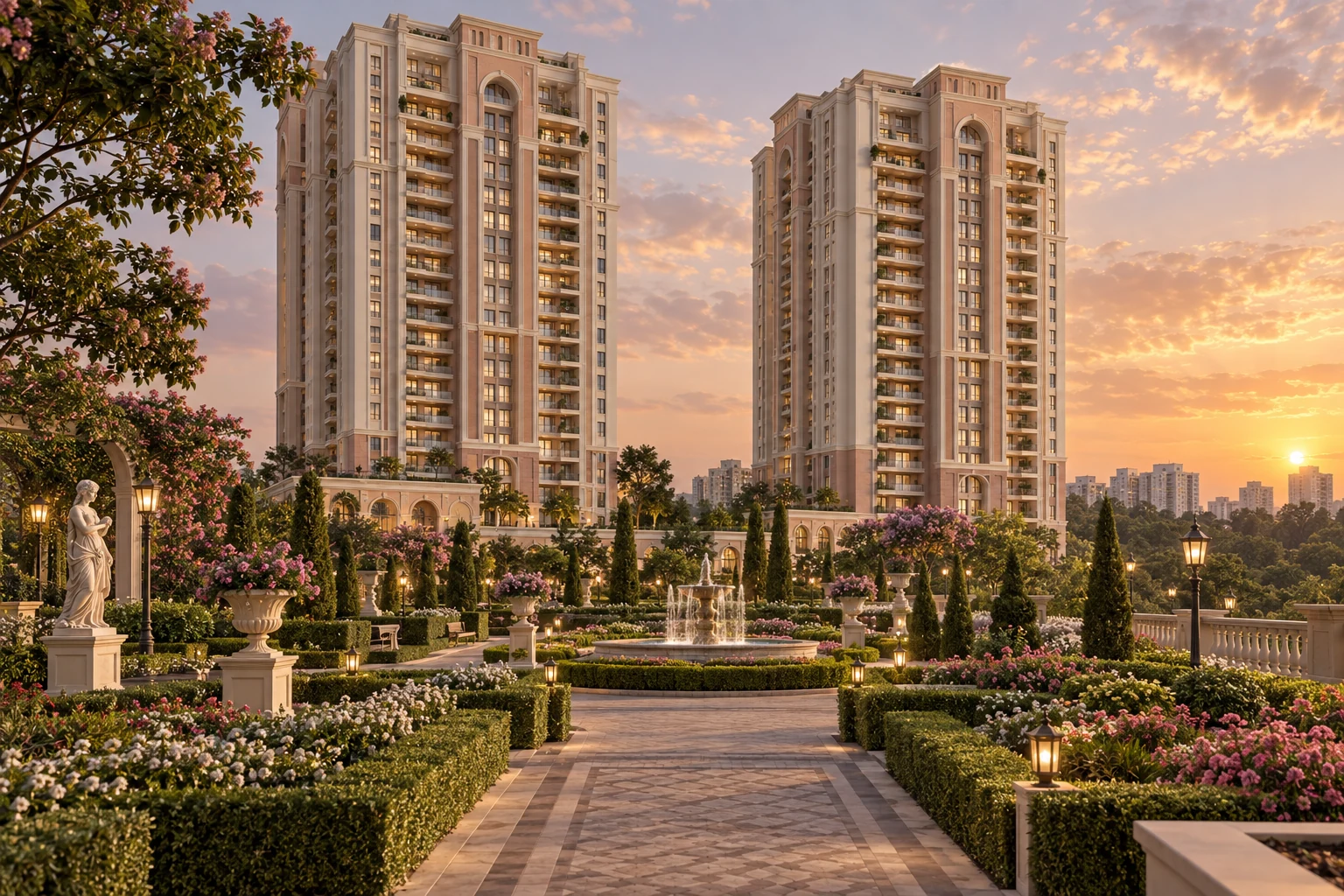
The Godrej MSR City project overview contains the established Barca context. This article explains how to assess updates; it is not a claim that a particular construction stage has been independently verified today. The hero image is a concept illustration, not a site photograph. Request current, dated project evidence for the building you are considering.
Ask what the construction update actually covers
Start with the full phase and tower reference. If an update describes the whole township, ask whether the images show all buildings or selected areas. A wide view may omit work behind the camera, while a close view may make one activity look representative of the entire site. Knowing the scope makes the evidence more useful.
For a Godrej MSR City Phase 2 progress enquiry, request material explicitly identified with that phase. A Barca image should not be used as a substitute without clarification. The same principle applies within a phase: a photograph of one tower does not establish that another tower has reached an identical stage.
Record the date of the photograph or report, not merely the date it was forwarded to you. Ask whether the images were taken together and whether any are older comparison views. A clearly labelled sequence is more informative than a collection of attractive site images with no consistent timeline or building reference.
Compare photographs using stable reference points
Look for identifiable features such as a building label, a known corner or a clearly described viewpoint. Ask the sender to explain the orientation if it is unclear. Comparing two views from opposite sides without recognising the difference can produce a false impression of progress or delay. A stable viewpoint makes the comparison easier to interpret.
Keep the original images where you are permitted to retain them. Avoid relying on cropped social-media versions that remove the date or surrounding context. If you make your own notes, store them separately. This preserves the distinction between the evidence supplied and your interpretation of what it appears to show.
Do not estimate completion percentages from a photograph. Visible structure, internal work and services are different aspects of construction, and an image may reveal only one of them. Ask for an explanation of the stage using the project's own documented terminology. A precise question is more useful than trying to turn an exterior view into a universal progress score.
Separate visible work from documented milestones
A construction update may describe a physical activity, while a payment notice or formal report may use a defined milestone. Do not assume the terms are interchangeable. Ask the relevant team to explain how the reported activity relates to the document you are reviewing, especially where the wording has consequences for your own next step.
The Godrej MSR City Shettigere project reference can help establish the broader development being discussed, but a general listing is not a current engineering report. Use it to prepare questions and request the appropriate dated material. Keep the actual progress record in the file for the identified phase and tower.
If you need an assessment beyond ordinary observation, consult an appropriately qualified professional with access to the relevant information. This guide does not certify workmanship, structural quality or programme compliance. A buyer can organise evidence and ask good questions without pretending that a photograph provides the same assurance as a competent technical review.
Read dates with their stated meaning
Distinguish a marketing possession reference, a date in the relevant project record and the wording of your unit documents. Each needs to be read in context. Do not select the earliest date found online and present it as a promise for every phase. Ask which date applies to the actual home under discussion.
Keep any revised communication with the earlier version and note what has changed. If the reason is not explained, ask for clarification. A short written account of the affected scope and next update is more useful than speculation based on the appearance of the site. Avoid treating silence in a general advertisement as an explanation of a specific programme question.
Plan your own enquiries around information you can obtain. Ask when the next dated update will be available and through which channel. You do not need constant messages to maintain a useful record. A consistent series with clear references can be more informative than frequent informal photographs that cannot be connected to one another.
Include access and common areas in the enquiry
An apartment's usefulness involves more than the exterior of its tower. Ask what information is available about the relevant approach, building access and common areas. Keep the questions tied to your phase. A township presentation may include facilities beyond the immediate scope of the home you are considering, so identify the relationship before assuming readiness.
For another Godrej MSR City Phase 2 construction enquiry, ask the representative to distinguish the apartment building from shared infrastructure and other phases. This avoids a single broad answer being used to cover several different workstreams. Request a clear description of what is being reported and what remains outside that update.
Treat future arrangements as questions until the applicable documents clarify them. Do not infer an operating date for a facility from a rendered image or a visible shell. If a particular service materially affects your plans, explain why you need the information and ask for the appropriate phase-specific response rather than a general amenity list.
Make a site visit support the evidence
If a visit is available, confirm the permitted viewing area and the scope of what can be shown. Follow the site's access instructions and do not enter active work areas without authorisation. A safe viewing point can still help you understand the relationship between a plan, a tower and the photographs you have received.
Ask the presenter to identify the building and explain the view before taking notes. Where photography is permitted, record the date and viewpoint. Keep observations factual: what was visible, where you stood and what could not be seen. Avoid turning an incomplete view into a conclusion about work hidden inside the building.
After the visit, compare your notes with the latest supplied update. List any apparent mismatch as a question, not an accusation or a resolved fact. A different date or viewpoint may explain it. Ask for clarification and retain the answer with the relevant images so the record becomes clearer over time.
Build a simple progress log
Use one row per update with columns for date, phase, tower, source, described activity and unanswered questions. Add the filename or document reference so you can find the evidence later. Keep the descriptions concise and use the source's terminology where possible, while clearly marking your own observations separately.
Review the log at sensible intervals. Look for unresolved questions rather than trying to interpret every small visual difference. If a material issue remains unclear, ask the responsible team for a focused response. The purpose of the log is to improve communication and traceability, not to create an amateur construction programme from fragments of information.
Share a clean version with another household member if they are involved in the decision. They should be able to see which information is current and which questions remain open without reading months of messages. An organised record also makes professional advice more efficient if a specific document or technical issue needs further review.
What a reliable update should leave you with
A useful update tells you which part of Godrej MSR City is being discussed, when the evidence was produced and what the report actually says. It also makes its limits visible. If those basics are missing, ask for them before drawing conclusions about the selected apartment or using the update in a broader comparison.
Use the Godrej MSR City apartment details reference for initial context, then seek the current phase-specific evidence through the appropriate project channel. Do not present an undated online claim as a verified construction status. A careful enquiry is especially valuable when several phases share a widely used township name.
Return to the Godrej MSR City guide and plans for the existing project material. Keep progress evidence dated, identified and separate from illustrations. That gives you a practical way to follow the development while recognising when a question requires a formal document, a site explanation or qualified professional assessment.
CONTINUE READING
More Godrej MSR City guides

EXPLORE THE PORTFOLIO
Projects by the same builder

Browse all Godrej project guides
Discuss your Godrej MSR City shortlist
Ask for the project details relevant to this guide.
Chat about Godrej MSR City Construction Update Guide