
GODREJ FLORENNE · YOUR SITE VISIT
Godrej Florenne Site Visit: A Useful Checklist
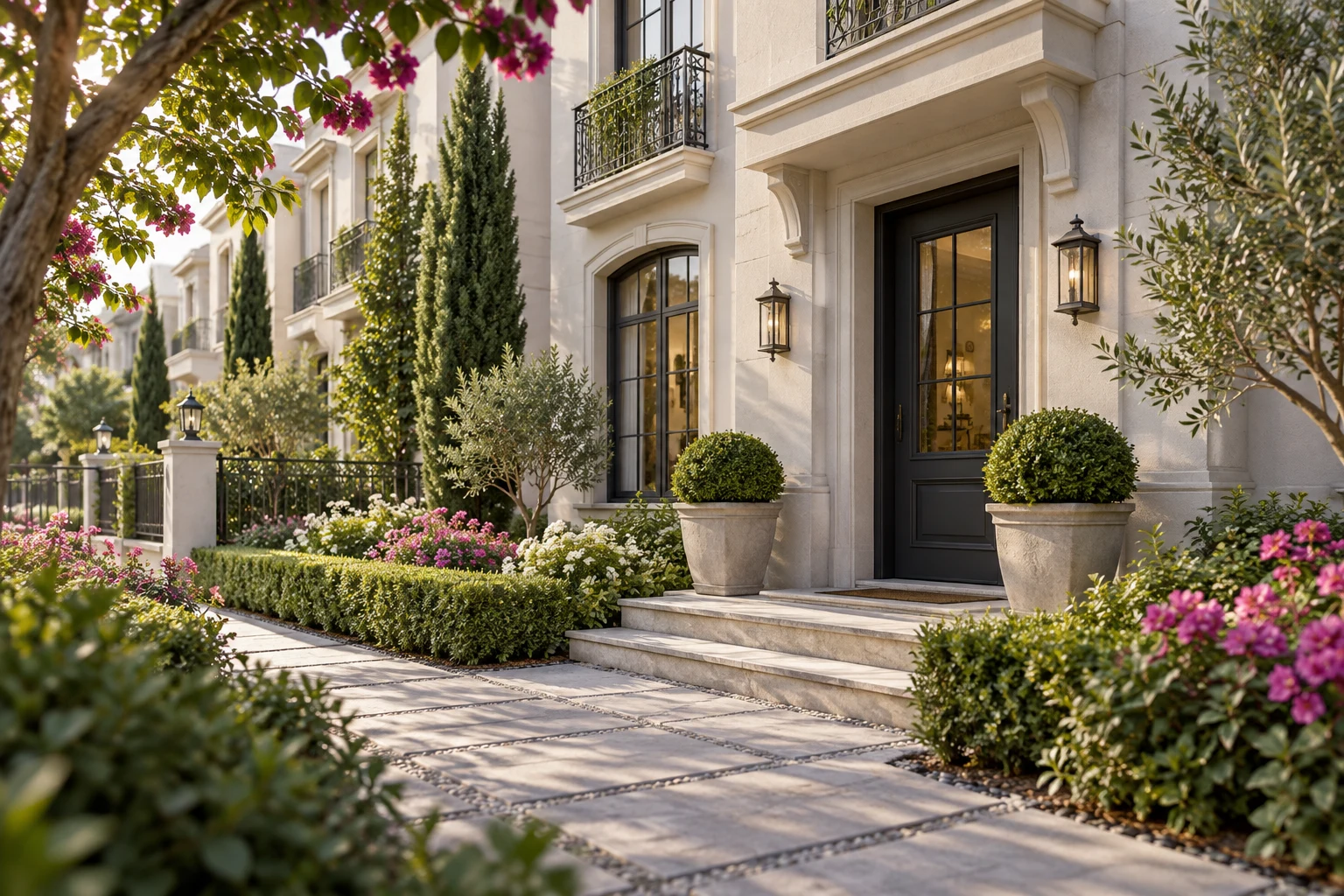
Prepare a Godrej Florenne site visit with unit documents, route checks, useful room questions and a clear follow-up record.
19 September 2026 · 1,400 words · About 8 minutes
Ask about this topicA site visit is more useful when you arrive with a small set of questions that the visit can actually answer. For a shortlist at Godrej Florenne, those questions may concern the approach, the selected unit’s position, the plans or the difference between a display and the offered specification. This guide helps you prepare and record the visit. It is not an independent inspection report, and it does not imply access to an unfinished home. Follow the site team’s appointment, access and safety arrangements at the time of your visit.
Confirm what the appointment includes
Ask where you will meet and which spaces will be available to view. A sales presentation, a sample home and the actual selected unit are different experiences. Knowing the scope in advance helps you bring the right questions and avoid expecting a visit that has not been arranged.
Confirm the current entrance and any instructions for arrival. Share the same details with everyone attending. If you need particular access arrangements, discuss them beforehand rather than assuming the site can accommodate an unplanned request.
The Godrej Florenne project listing is a useful starting reference, but the representative should explain what is currently available to inspect. A gallery image does not establish that the pictured space forms part of the visit.
Bring the relevant unit information
Take the current plan, configuration name and unit number if one has been shortlisted. Keep the quotation and specification accessible as well. Without those documents, a discussion can drift between several variants while everyone assumes they are describing the same home.
Write down the three or four questions that matter most to your household. A room arrangement, outdoor connection or parking route may deserve more attention than every item on a generic checklist. Priorities help you use the appointment well without rushing through a long list.
Bring furniture dimensions only where they answer a specific question. You do not need to plan the entire interior during the first visit. A known bed or desk size may be enough to test the room relationship you are uncertain about.
Observe the approach separately
Record the route you took, the time and any unusual conditions. Notice the final approach and the actual arrival point. Keep those observations separate from the project presentation so that a pleasant visit does not replace your own travel assessment.
If the commute is important, plan a relevant journey at a useful time rather than relying only on the appointment route. One weekend trip may not represent a weekday routine. Treat each observation as an example under recorded conditions, not a permanent travel guarantee.
The Florenne Soukya Road information page gives location context. Use it to identify the questions you want to test, then keep your own observations precise. Avoid converting an estimated distance into a claimed door-to-door journey time.
Match the presentation to the plans
Ask the representative to locate the selected home on the master plan and explain its route from the entrance. Then review the full floor-plan set. If only some levels are available, note what is missing and request the remaining sheets.
When viewing a display, ask which variant it represents. Similar names do not necessarily mean identical room arrangements. Identify where the display differs from the unit you are considering so that an attractive feature is not carried into your expectations without confirmation.
Take permitted notes and photographs with clear labels. A picture of a kitchen or bedroom is more useful later when you know which display it came from and what the representative said about its standard scope.
Walk through ordinary room use
Imagine arriving home, preparing a meal, working, hosting and going to bed. Follow the connections between the spaces shown or explained. This helps you judge the layout through activity rather than only through finishes and decoration.
The Godrej Florenne rowhouse details can help organise the configuration discussion, but the visit should connect those descriptions to the specific layout. Ask where belongings, furniture and everyday movement would fit, without assuming that every piece shown in a display is included.
If a room feels different from the drawing, ask for the actual dimensions and context. A furnished display can influence the impression of scale. Do not estimate a final furniture order from how a room feels during a short visit.
Ask what is standard and what is illustrative
Separate finishes, fitted items, appliances, decorative lighting and loose furniture in the discussion. A general statement about a premium interior does not identify all of those elements. Request the current written specification for the offered home.
Ask about outdoor boundaries and permitted use as well. A garden arrangement or terrace structure in a rendering may serve as inspiration rather than a supplied feature. Keep the question specific to the selected unit and the current documents.
Avoid treating a visual visit as proof of technical performance. Construction quality, waterproofing, electrical safety and other technical matters require the relevant professional checks and documentation. Record your observations without presenting them as a certification.
Discuss the next information you need
Before leaving, review the unanswered questions and ask who will respond. Request the relevant plan, specification, quotation or schedule rather than a broad promise to share more details. A specific document request is easier to track and resolve.
The Florenne property overview remains a useful research reference, but written follow-up should address the particular points raised during the visit. If a timing or availability statement differs from earlier information, ask for clarification with the relevant unit and date identified.
Keep commercial decisions separate from the pressure of a busy appointment. This guide does not advise on booking terms or payment commitments. Review the actual offered documents with appropriate advice before taking a step whose consequences you do not fully understand.
Write the visit record while it is fresh
Use three headings: observed, explained and still to confirm. Put your own route and room observations under the first, the representative’s statements under the second and unresolved points under the third. This prevents a verbal description from later being remembered as something you personally inspected.
Ask other household members to contribute their notes before comparing impressions. Different people may notice room privacy, storage or movement that others overlooked. The goal is a shared understanding, not an argument about who paid closest attention.
Date the record and attach the relevant photographs and documents. If the offered unit changes later, the record will show which observations still apply and which questions need to be revisited.
Give each visitor a useful role
If several family members attend, agree beforehand on the questions each person will help observe. One might follow room connections, another focus on the approach and another check the distinction between standard items and display styling. This is a way to use everyone’s attention, not a substitute for professional inspection.
Afterwards, compare observations before reading additional marketing material. Ask each person what they actually saw, what they were told and what they still want clarified. This helps preserve their independent impressions and can reveal a question that was answered differently during separate conversations.
For example, one person may remember a discussion about a terrace while another was viewing a different variant. Naming the variant and document resolves the confusion more effectively than debating whose recollection is correct. Keep the final shared note specific enough that the representative can respond to it.
If the visit did not allow an important question to be assessed, arrange the appropriate follow-up rather than forcing a conclusion. A first appointment can be successful even when it identifies the need for a clearer drawing, another conversation or a relevant professional review. The useful outcome is better information, not a complete checklist filled with guesses.
Make the follow-up focused
Send a concise follow-up through your Godrej Florenne project enquiry, naming the selected variant and the missing information. A short, organised message is more likely to produce useful answers than a long collection of disconnected impressions.
The best outcome of a first visit is not necessarily an immediate decision. It is a clearer shortlist, a better understanding of the home and a defined set of remaining checks. That progress makes the next conversation more productive and helps you compare the project using evidence you can revisit. Keep the follow-up questions brief, specific and dated, with the relevant unit clearly identified, so the answers can be matched to your actual shortlist.
More Godrej Florenne guides

Discuss your Godrej Florenne shortlist
Ask for the project details relevant to this guide.
Chat about Godrej Florenne Site Visit: A Useful Checklist