Godrej Aveline amenities can help you imagine life beyond the apartment, but the most useful question is which facilities your household would actually use. A long list looks impressive on a screen. A shorter list connected to your normal week tells you more about whether a community suits you. Start with your routines before comparing brochures, photographs or the number of features advertised.
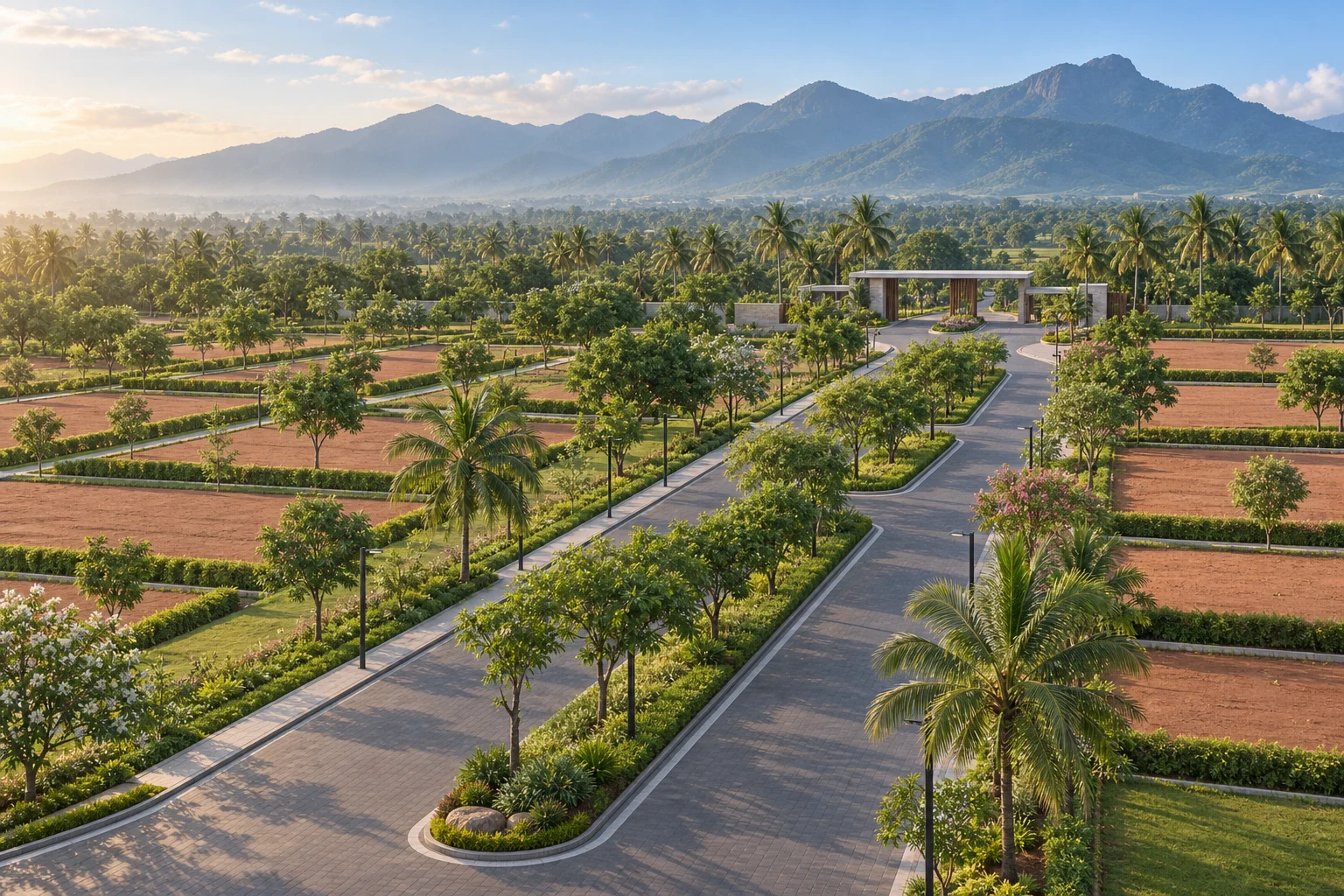
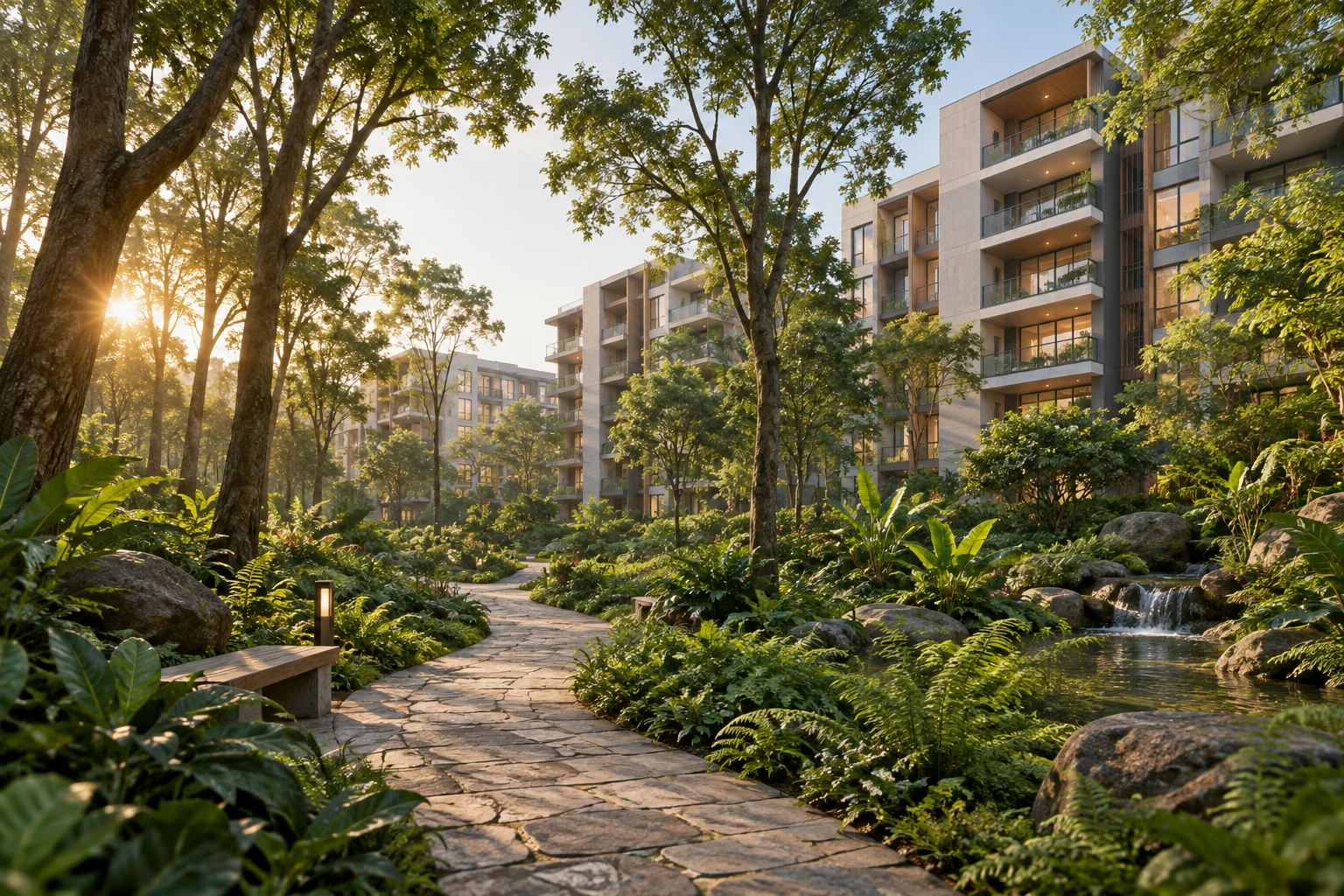
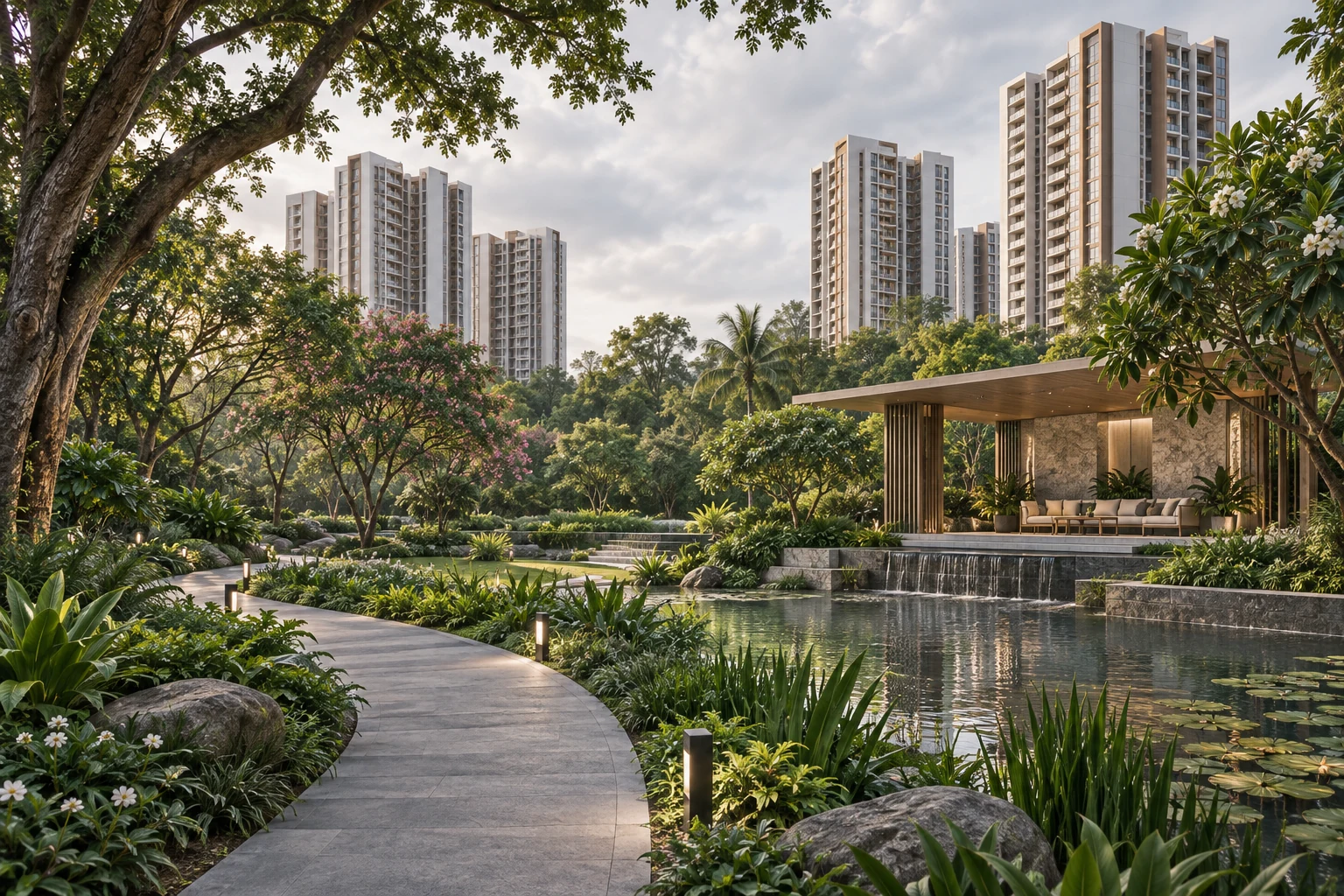
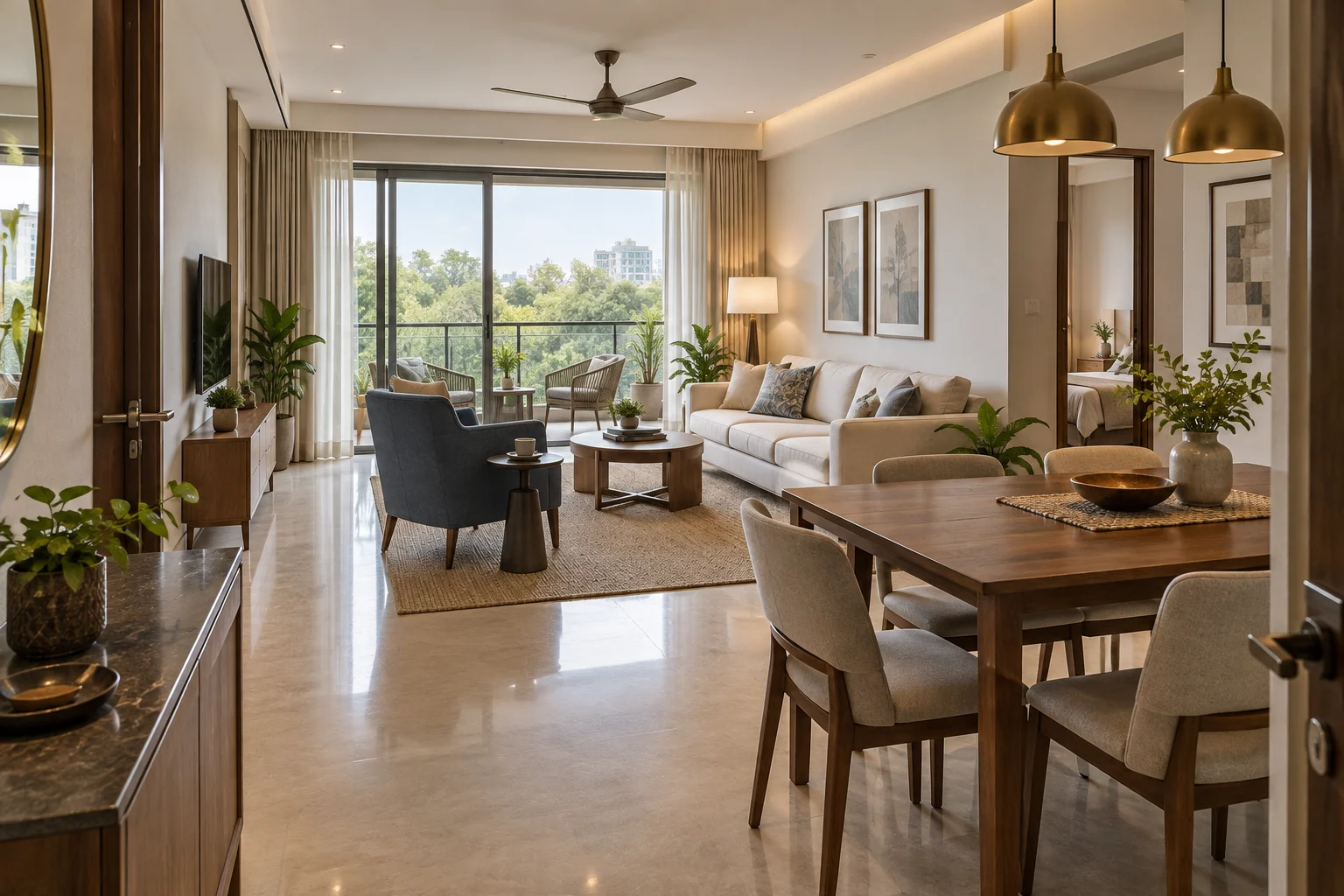
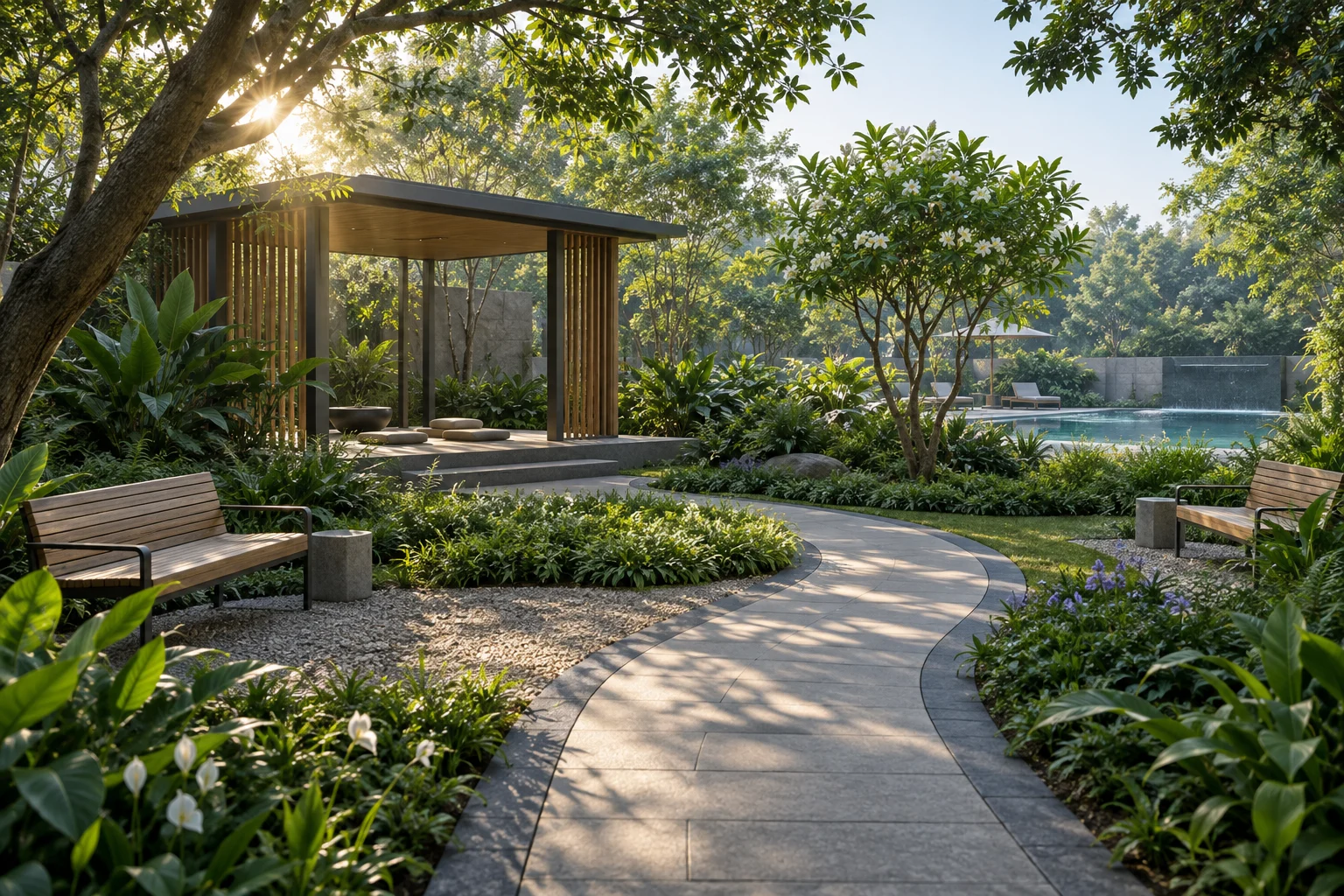
The developer’s Aveline information lists a swimming pool, pickleball court, meditation centre, children’s play area, banquet hall and landscaped spaces among its lifestyle facilities. Treat that as the beginning of your review. Ask for the current amenity schedule and confirm the scope, delivery timing and access arrangements. The generated images on this website illustrate a lifestyle theme and do not establish the final design of any facility.
Map a normal week
Write down the activities you already make time for. Perhaps you walk before work, swim occasionally, meet neighbours in the evening or need a place where children can play after school. Give each activity a realistic frequency. Something you enjoy twice a year should not automatically outweigh a facility that would improve your routine almost every day.
Include other household members in the exercise. One person may value a quiet outdoor seat while another wants an active sports area. Children’s needs also change as they grow. A good community comparison gives space to those different preferences instead of assuming that the interests of the person attending the site visit represent everyone at home.
Review the walking environment
Landscaped spaces are easier to appreciate when you think about how you would move through them. Ask where walking routes begin, how they connect to the towers and whether they intersect with vehicle movement. Look for practical details such as seating, lighting and the relationship between active and quieter areas on the current project documents.
Shade can influence how welcoming an outdoor route feels at different times of day. Mature greenery in an illustration should not be treated as a promise of the landscape’s appearance at handover. Ask about the planting approach and maintenance arrangements. The useful comparison is between documented features and your needs, rather than between idealised pictures from different developments.
Ask practical pool questions
A swimming pool can support regular exercise or occasional family leisure, depending on the way it is managed. Ask about the intended pool provision, access hours and any separate arrangements for different users. Confirm the operational details when available. A photograph of blue water cannot answer whether the facility will suit your preferred routine.
Think about the complete journey from your apartment to the pool and back. Where would you change, keep belongings or accompany a child? Which details are confirmed, and which will be decided closer to operation? Keeping those questions specific helps you understand the amenity without assuming that every related service is included or available from the first day.
Understand shared sports spaces
The developer lists a pickleball court, which may appeal to buyers who want an activity close to home. Ask how court access is expected to work and whether a booking arrangement is planned. Shared facilities need rules that allow residents to use them fairly. The existence of a court and unrestricted availability are different things.
For another listing to compare with your notes, review Godrej Aveline Yelahanka on Houseadda.
If you already play a sport elsewhere, compare the proposed facility with what you actually need. Consider timing, equipment, companions and the level at which you play. If the activity is new to you, avoid assigning it too much weight merely because it is fashionable. A facility becomes valuable when it fits a habit you can realistically maintain.
Look closely at children’s spaces
For a children’s play area, begin with the age range it is intended to serve. Younger children and older children can need quite different spaces. Ask about the planned equipment and its position within the development. Also consider where an accompanying adult would sit and how the route from the apartment would work.
The surrounding environment matters as much as the play equipment. Review its relationship to movement routes and neighbouring activities in the project documents. During a visit, distinguish existing facilities from areas that are still proposed. Keep your questions focused on the actual design and management arrangements rather than assuming safety or suitability from a cheerful illustration.
Consider quieter amenities
A meditation centre or calm outdoor space may be useful even if your household rarely uses organised recreation. Think about when you seek quiet and what kind of setting helps: a shaded seat, an indoor room or an area away from active play. Different spaces serve different purposes, so ask how the proposed quiet facilities are arranged.
Consider whether you would use the space alone, with a class or informally with neighbours. Ask what access and booking rules are expected if those details are available. The aim is not to demand that every operating decision is already settled. It is to understand which aspects are documented now and which should remain open questions in your comparison.
Put the banquet hall in context
A banquet hall can be convenient for family occasions, but its usefulness depends on capacity and the rules governing bookings. Ask about the planned facility, any associated services and how usage costs will be communicated. Do not assume catering, decoration, cleaning or guest access arrangements simply because a hall appears in the amenity list.
Estimate how often you would host an event that requires such a space. If the answer is rarely, it may still be a pleasant feature without being a deciding factor. A household that regularly hosts gatherings may give it more weight. Personal frequency is a better guide than the prominence of the amenity in a brochure.
Include maintenance in the discussion
Amenities require care after they are built. Ask how the community’s maintenance arrangements will be explained and which charges are currently confirmed. Separate a developer estimate from the eventual operating budget. If a figure is not available, leave it marked as pending rather than using an unsupported amount from a different property.
Before contacting the team, revisit Houseadda’s Godrej Aveline project overview and note any details requiring confirmation.
Think about the balance between the facilities you want and the level of shared upkeep you are comfortable supporting. This is a household preference, not a rule that more amenities are always better. A well-understood set of useful facilities can be more persuasive than a larger list whose operation and costs remain unclear.
Check timing and the relevant phase
Ask whether each facility is linked to a particular phase or delivery milestone. A buyer should understand the expected relationship between apartment handover and the availability of shared spaces. Record the explanation alongside the current project documents. Avoid assuming that a proposed feature will be ready at the same time as every tower.
If the answer refers to a future update, note when to request that update again. Keep the amenity schedule dated, just as you would a price sheet. This makes later comparisons easier and prevents an early design description from being mistaken for the final version. Written clarity is especially useful when several people discuss the project with you.
Compare using relevant references
The Godrej Aveline amenities reference offers another overview of the project’s lifestyle positioning. Compare its descriptions with the developer’s current information and ask about differences. Treat each source as a document with a date and purpose rather than collecting every advertised feature into one expanded list.
The Godrej Row Houses Soukya Road reference can help if your search includes row-house communities. That format has different relationships between private space and shared facilities. Use the comparison to clarify your preferences; it does not mean that a feature described for one project is included in the other.
Keep a dated copy of every confirmed amenity detail for your future reference too.
Create your final amenity shortlist
Choose the five facilities most relevant to your household and write one practical question beside each. During the next project discussion, aim to resolve those questions before adding more features to the list. Keep the confirmed scope, access details and pending information together. This turns a broad lifestyle conversation into a useful part of your home comparison.
Return to the shortlist after reviewing the apartment layout and location. Shared facilities complement those essentials rather than replacing them. The right balance is a home that supports your daily routine, with community spaces you can realistically enjoy. That is the standard against which your Godrej Aveline amenities review should be measured.