GODREJ WOODS · COMMUNITY LIFE
Godrej Woods Amenities: What Will You Use?
Evaluate Godrej Woods amenities by likely use, access, delivery phases and the maintenance questions worth asking.
12 September 2026 · 1,400 words · About 8 minutes
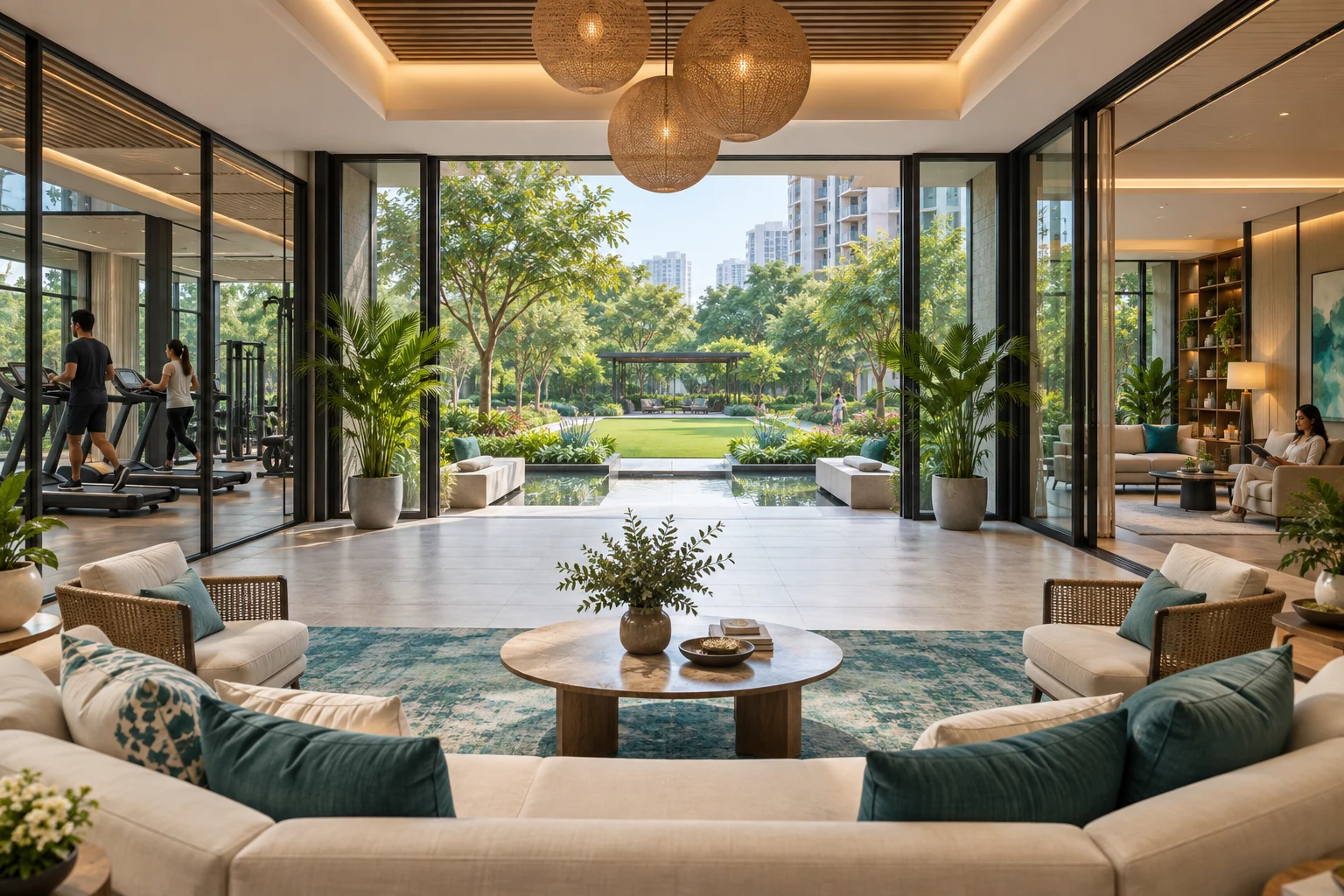
Ask about this topicGodrej Woods amenities are most useful to evaluate through your weekly routine. A brochure can list many facilities, but the value to your household depends on which ones you will use, how conveniently you can reach them and how they will operate. This guide connects the supplied amenity presentation with practical questions about access, delivery and maintenance, without inventing a monthly charge or promising a particular experience.
Use the Godrej Woods amenities and master-plan page to identify the proposed shared spaces. Then narrow your attention to the facilities that would make a noticeable difference to your everyday life.
Start with the activities you already enjoy
Write down the activities your household does now: walking, exercise, swimming, outdoor play, reading or meeting friends. Note how often each activity happens and what currently makes it convenient or difficult. This gives you a realistic starting point instead of assuming that a new address will completely change your habits.
Add activities you would genuinely like to begin, but keep them separate from established routines. A facility may make a new habit easier, yet its presence alone does not guarantee that you will use it. Distinguishing the two helps you assess amenities without letting an aspirational list become a substitute for practical value.
Choose three priorities for the site discussion. You can still appreciate other facilities, but your most important questions should concern the spaces likely to be used regularly. This also makes it easier to compare apartments in different positions within the community.
Connect each priority to the master layout
Locate the relevant facility and trace the route from the tower you are considering. A shared space can be attractive but less convenient for a particular resident if the route does not suit their needs. Ask about access, level changes and the intended connection between residential and recreational areas.
Consider different users. A child’s play routine, an older resident’s walk and an adult’s exercise session involve different practical requirements. The master plan helps identify relationships, but the project team should explain details that the image does not show clearly.
Do not calculate exact walking times from an unscaled screenshot. Instead, use the drawing to prepare a focused question about the route. The Godrej Woods master-plan guide explains how to connect unit positions with shared spaces without treating an illustration as a complete operational plan.
Ask what is included and when it is delivered
Request the documented amenity scope for the relevant phase. A general project presentation may show the eventual community, while your immediate experience after occupation could depend on staged delivery. Ask which facilities are intended to be usable with your phase and whether any depend on another part of the development.
Record the answer beside the facility rather than in one broad note saying “all amenities available.” If a date or dependency is uncertain, keep it visible. This is especially important for a facility that strongly influences your choice of project or tower.
Confirm the distinction between a conceptual image and the promised provision. Furniture, landscaping maturity or decorative elements in an illustration may not define the handover scope. The agreement and relevant specifications should answer what is included, while the image remains a visual aid.
Understand booking and everyday operating rules
A facility’s usefulness also depends on how residents can access it. Ask whether particular spaces require reservations, have scheduled opening hours or follow rules for guests. You do not need to assume restrictions; you need to understand the intended arrangement for activities that matter to you.
Think about the time you would actually visit. Someone who exercises early in the morning or returns late from work may have different requirements from a person with a flexible schedule. A facility can be well designed and still not match a particular routine if its operating arrangements differ from your expectations.
For social spaces, ask how larger gatherings are handled and whether any separate charges apply. Keep those answers distinct from the general maintenance discussion. A resident entitlement, a reservation process and a paid service are different arrangements and should not be combined into a vague promise of access.
Ask maintenance questions without guessing a fee
Request the proposed maintenance basis, collection schedule and description of the services covered. This article does not assign a monthly Godrej Woods maintenance charge because a verified current schedule is needed. A figure from another community or an older informal discussion would not establish the amount applicable to your apartment.
Ask which expenses are included in the stated amount and which may be handled separately. Also clarify deposits, advance collections and the intended transition to resident management where relevant. The objective is a written explanation you can keep with the quotation, not a broad assurance that costs will be reasonable.
Compare the scope before comparing figures. Two maintenance amounts are not directly comparable if one covers a different set of services or uses another calculation basis. A useful comparison identifies both what is paid and what that payment is intended to support.
Consider the spaces between the named amenities
Everyday community life also happens in paths, lobbies, seating areas and the route between buildings. These spaces may receive less attention than a pool or clubhouse, yet they influence ordinary moments such as taking a short walk, waiting for a visitor or returning with shopping.
Look for a coherent relationship between the facilities and the residential areas. Ask how lighting, access and maintenance will support those routes. Where the master image is unclear, request a more detailed explanation rather than inferring a design feature that is not shown.
Think about whether the community offers places suited to different levels of activity. The supplied presentation can help identify intended uses, but it cannot guarantee how residents will occupy each space. Keep your questions grounded in design and management rather than predicting the behaviour of a future community.
Create a personal amenity-use calendar
Take a typical week and mark when each household member would use a shared facility. Keep the entries realistic: a short walk after dinner, an exercise session before work or a weekend activity with a child. This makes the amenity discussion concrete and shows which opening times and routes deserve clarification.
Next, identify where activities overlap. Two household members may want different facilities at the same time, or one person may need to accompany another. The practical value of a facility can depend on how those routines fit together, not simply on whether it appears in the brochure.
For every regular activity, write one question about access and one about operation. An access question might concern the route from the tower. An operating question might concern booking or the proposed hours. These are examples of useful enquiries, not statements about restrictions at Godrej Woods.
Keep occasional aspirations in a separate list. You may enjoy the possibility of hosting a gathering or trying a new sport, but it is helpful to distinguish that potential from an established weekly habit. Both can have value; they simply provide different reasons for your interest.
Now look at your shortlist. Does the apartment position support the activities that matter most? Are there important details still unconfirmed? The calendar can reveal why a less visually prominent facility or a convenient path deserves more attention than the feature that first attracted you to the presentation.
Share the calendar with the project team when asking about the relevant arrangements. A question linked to a real routine is easier to answer meaningfully than a request for a general assurance that the amenities will be useful. It also gives you a consistent method for comparing another community without counting every brochure item as equally important.
Use the calendar as a guide, not a fixed promise. It should identify your likely activities and the questions worth asking while leaving room for routines to change over time.
Decide what adds value to your own routine
Make a short list with each priority amenity, expected frequency of use, access questions and confirmed operating information. This makes the discussion personal and useful. It also helps you avoid paying attention only to the most visually impressive feature in a presentation.
Return to the Godrej Woods community and project guide to request the current amenity schedule and relevant documents. A strong assessment is based on regular use, practical access and understood costs. The number of facilities is only the beginning of that conversation.
More Godrej Woods articles
EXPLORE THE PORTFOLIO
Projects by the same builder
Browse all Godrej project guides
Discuss your Godrej Woods shortlist
Ask for the project details relevant to this guide.
Chat about Godrej Woods Amenities: What Will You Use?