GODREJ SOUKYA ROAD · LIGHTING AT HOME
Godrej Soukya Road: Room Lighting Plan
Prepare a Godrej Soukya Road lighting brief around everyday activities, furniture positions, controls and professional coordination.
19 September 2026 · 1,400 words · About 8 minutes
Ask about this topic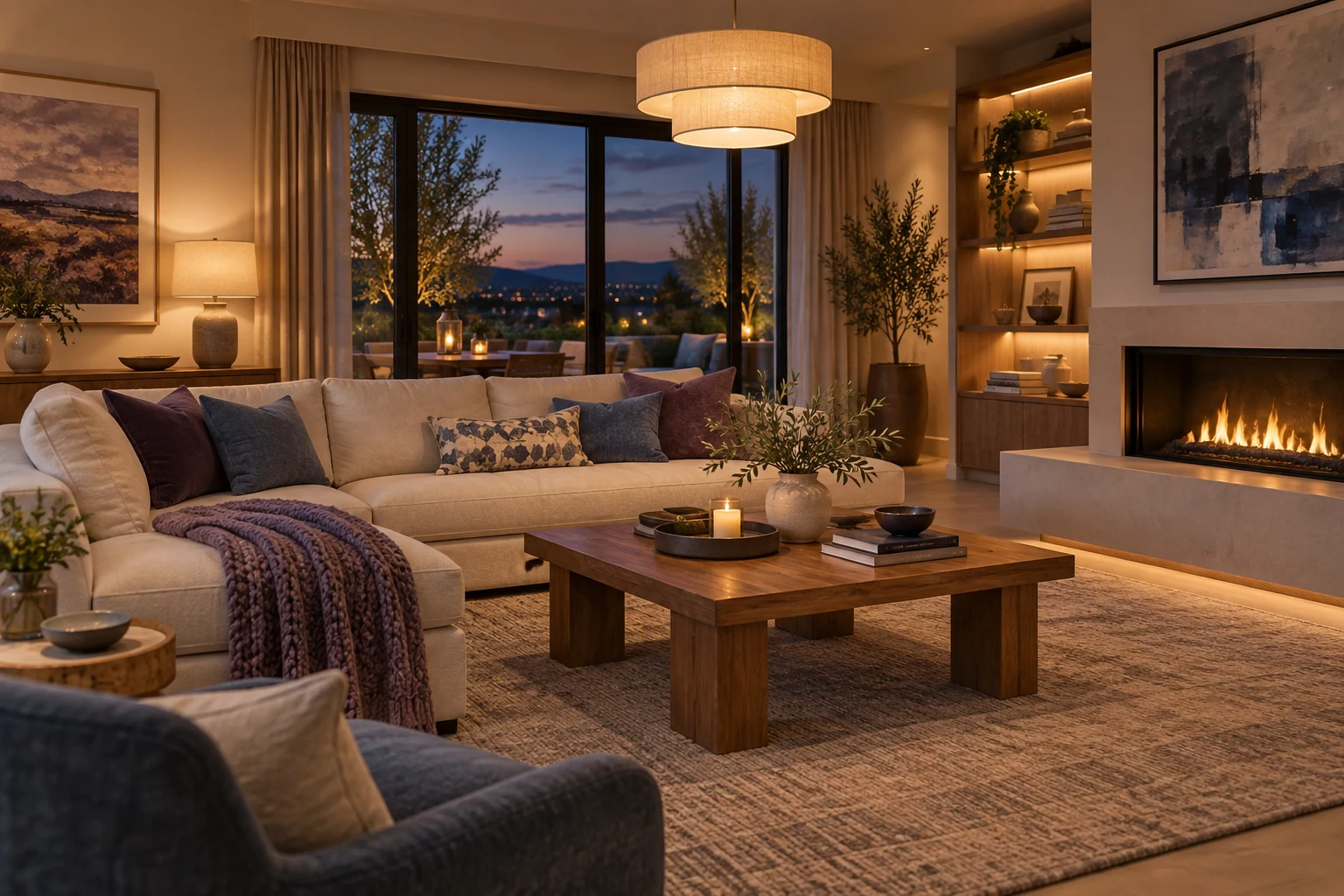
A considered home.
An easier routine.
Start with the activities that matter to your household, then plan the space around them.
Lighting decisions become easier when they start with activities rather than a catalogue of attractive fittings. Reading, preparing food, talking and finding something in a cupboard all ask different things of a room. If you are planning a home at Godrej Row Houses Soukya Road, consider the lighting alongside furniture and daily routines. This guide helps organise a brief for the relevant professionals. It does not specify electrical work, certify an installation or assume that decorative lights are included in the project. Confirm the selected home’s current electrical layout and handover specification first.
Begin with the activities in each room
Write down what happens in the space during the morning, afternoon and evening. A living room might host conversation, television, reading and an occasional laptop session. Instead of expecting one fitting to serve every activity equally, identify which positions and tasks deserve particular attention.
Mark the furniture that supports those activities. The reading chair, dining table and work surface give a lighting discussion useful reference points. If the furniture plan remains uncertain, avoid committing to a decorative fitting whose position depends on one exact arrangement.
The Godrej Whitefield villa overview can help you identify the configuration you are considering. Ask for its current electrical drawings and included fitting schedule. A bright marketing image does not show which lights are supplied or where controls will be located in your chosen unit.
Distinguish general light from task light
Think of general lighting as the light used to understand and move through the room, and task lighting as light directed towards a particular activity. A decorative element may contribute to either, but appearance alone does not establish how well it will support the task.
For example, a comfortable reading position may need a suitable local light even when the room as a whole feels bright. Conversely, an attractive pendant over a table does not automatically make the rest of the room easy to use. Discuss the complete arrangement rather than adding fittings independently.
Use plain descriptions when briefing a designer: where you read, which surface you work on and what feels uncomfortable in your current home. You do not need to guess technical values. The professional can translate those needs into a suitable design for the actual space.
Consider where you will look
Sit in the proposed furniture positions and consider the direction of view. A fitting that looks beautiful from the entrance may be distracting from a sofa or reflect in a screen. Review the relationship between the person, the light source and the surfaces around them.
Ask to see a relevant product demonstration where possible. Photographs cannot fully show how a light feels at the distance and angle from which you will use it. Avoid selecting an entire room’s fittings from a small image without checking the product information and intended application.
The Soukya Road property search provides project references, but it cannot establish the right lighting equipment for a specific room. Keep inspiration images separate from the final lighting plan and the professional assessment of the installation.
Plan controls around movement
Trace the route into and through each room. Ask where lights are controlled and whether the proposed arrangement is convenient from the positions where you will use it. In a multilevel home, include the staircase and landings in the same discussion rather than treating each room in isolation.
Discuss any desired changes with a qualified electrical professional and the responsible project or community team. The existing installation, product compatibility and permissions must be reviewed before alterations are agreed. Do not assume that moving a switch is merely a decorative adjustment.
Keep the operation understandable for the household. A complicated control arrangement may be less useful if visitors or family members cannot easily use the ordinary lights. Ask the designer to explain a normal evening sequence in everyday language before approving the final system.
Coordinate lighting with storage
Look at the inside of cupboards, the front of wardrobes and the surfaces where belongings are sorted. A room can appear bright while particular storage areas remain difficult to use. Include those locations in the brief instead of adding small lights as an afterthought.
The Godrej Soukya Road rowhouse details supply the project context, while fitted furniture lighting needs coordination between the furniture supplier and electrical professional. Ask who is responsible for the components, wiring, access and future maintenance before work begins.
Check whether the proposed light remains useful when doors are open and shelves are filled. A neat showroom arrangement may not represent your actual belongings. The design should serve the cabinet in ordinary use, not only its appearance in a presentation.
Treat decorative fittings as part of the room
Choose a pendant, wall light or table lamp in relation to the furniture and available space. Consider how it looks from more than one direction and whether it changes the room’s usable arrangement. A fitting chosen too early can force later furniture decisions unnecessarily.
Ask about installation, cleaning and access to replace or service components. A dramatic light in a tall space may need a maintenance approach that should be understood before purchase. The attraction of a product should be weighed alongside its practical care requirements.
Keep samples and finish references together. Metal, glass, shades and wall colours can look different under different conditions. Where possible, review a representative combination rather than choosing each item from a separate screen and assuming they will work together.
Make a room schedule you can review
Create a simple list with the room, activity, proposed fitting, control and unresolved question. Attach the relevant product details and drawing revision. This gives the designer and installer a shared reference and makes it easier to see what has changed between discussions.
The latest Soukya Road listing references may change as project information develops, so keep the final schedule tied to the confirmed home and specification. If a room layout changes, review the related lighting decisions rather than carrying them forward automatically.
Separate essential work from optional decorative purchases. Some freestanding lights can be chosen after the furniture is in place, while permanent installation decisions may need earlier coordination. Ask the responsible professional which decisions must be made now and which can remain flexible.
Work through one evening scene
Imagine the living room after dinner. One person wants to read, another wants to talk and a third occasionally checks a laptop. Begin by marking where they sit. Then ask the lighting professional how those activities can be supported together without assuming that every fitting must operate at the same level or serve the same purpose.
Move through a second scene in which the room is used only for conversation. The preferred arrangement may be different. This is why the brief should describe activities and positions instead of asking for a room that is simply bright. The professional can then explain how the proposed equipment and controls respond to each scene.
Do not turn the exercise into a requirement for an elaborate automation system. Some households prefer a straightforward arrangement that everyone can operate easily. Others may want additional control, provided the equipment is suitable and its operation is understood. Ask for a demonstration of the proposed approach rather than assuming complexity equals convenience.
Finally, include cleaning and maintenance in the scene review. Identify how each fitting will be reached and which information the household should keep. A well-considered lighting plan should remain understandable after the installer has left, when an ordinary user needs to operate or maintain it.
Review the finished arrangement through use
After installation, walk through the activities in your original brief. Read in the intended chair, sit at the dining table and use the storage. Note any issue clearly and discuss it with the responsible supplier rather than adding more fittings without understanding the cause.
Keep the approved schedule, product information and installation records. They are useful for maintenance and for any later change to the room. A consistent record also avoids confusion when several visually similar products have different components or requirements.
Bring the initial room brief to your Godrej Soukya Road project enquiry so the included scope and your proposed additions are discussed separately. Thoughtful lighting begins with ordinary activities and a coordinated plan, then uses the appropriate professional design to make those activities comfortable in the actual home. Ask who will answer product and installation questions after handover, and keep those details accessible.
More Godrej Soukya Road articles
EXPLORE THE PORTFOLIO
Projects by the same builder



Browse all Godrej project guides
Discuss your Godrej Soukya Road shortlist
Ask for the project details relevant to this guide.
Chat about Godrej Soukya Road: Room Lighting Plan