GODREJ SOUKYA ROAD · YOUR SHORTLIST
MAKE SPACE FOR DAILY LIFE
Godrej Soukya Road: Comparing Two Rowhouses
Compare two Godrej Soukya Road homes using consistent drawings, household priorities, location notes and dated quotations.
19 September 2026 · 1,400 words · About 8 minutes
Ask about this topic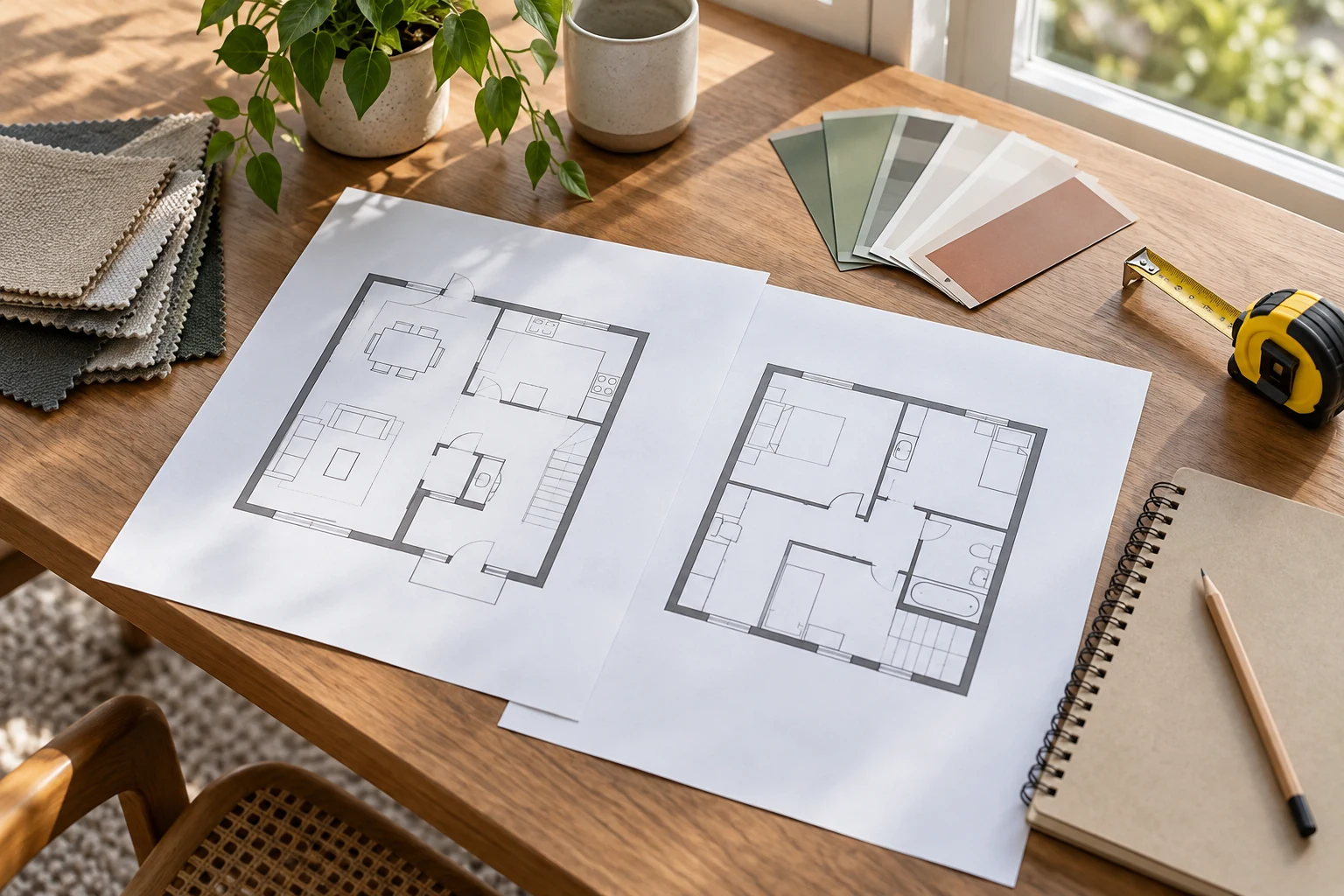
In this guide
Choosing between two appealing homes can become harder as more information arrives. One has a preferred outlook, another a more useful bedroom, and the quoted figures may not be directly comparable. For a shortlist at Godrej Row Houses Soukya Road, use a consistent comparison rather than relying on the most recent conversation. This guide explains how to organise unit details and household priorities. It is not a valuation or a recommendation to purchase a particular property. Current availability, specifications and written terms must be confirmed for each home you consider.
Name the two options precisely
Put the unit number, row, configuration and drawing revision at the top of each page. Avoid labels such as the nice one or the larger option, which become confusing when the inventory changes. Every quotation, drawing and response should be attached to the same identifiable home.
Record the date when availability was discussed. A comparison can remain useful even if a unit later becomes unavailable, but it should not be mistaken for a current inventory confirmation. Ask the representative to tell you when the specific options or quoted terms change.
The Godrej Whitefield villa overview is a helpful broad project reference. Move from that overview to unit-specific material before comparing details. A configuration description cannot establish every difference between two homes within the same category.
Agree on the household priorities
Ask each decision maker to list the three things they most want the home to support. These might involve room arrangement, outdoor use, a study or convenient movement between floors. Describe the practical need rather than starting with a sales label such as premium position.
Discuss which preferences are essential and which are negotiable. If everyone calls every feature essential, the comparison will not help. A useful priority explains why it matters and what compromise the household could realistically accept.
Keep disagreements visible without trying to resolve them through an arbitrary score. One person may value a quieter work area while another prefers a more connected family floor. The layout discussion should show how each option supports those needs, then make the tradeoff explicit.
Compare like with like
Ask for the same documents for both units: complete floor plans, area statements, specifications and dated cost sheets. If one option has a detailed drawing and the other only a brochure image, mark the comparison incomplete. Do not let the better-presented document make the home seem automatically superior.
Separate carpet, saleable and outdoor area descriptions wherever they appear. Use the terms supplied in the relevant documents and ask for clarification when the basis differs. Two area figures are not a meaningful comparison if they describe different things.
The Soukya Road property search may provide additional descriptions, but keep those references separate from confirmed unit documents. A useful shortlist makes the source of each fact visible instead of combining every number into one apparently authoritative table.
Walk through the same day twice
Choose a familiar weekday and imagine it in each home. Follow breakfast, school or work departures, daytime activity, deliveries and evening use. Note where the arrangement makes something easier and where the household would adapt its habits.
Use the same furniture assumptions in both plans. A compact sofa in one drawing and an oversized sofa in the other can distort the result. Begin with the belongings you expect to keep, then identify any replacements the layout might require.
Include ordinary storage and circulation. A room that appears larger may have more doors or a less useful wall arrangement. Another room may fit your furniture more comfortably despite a smaller headline dimension. The exercise is about usable relationships, not winning a contest of measurements.
Review the position outside the walls
Locate each home on the master plan and trace its route to the entrance and relevant shared spaces. Identify neighbouring plots, internal streets and planned facilities without guessing their future activity levels. Ask for clarification where the drawing is unclear.
The Godrej Soukya Road rowhouse reference keeps the discussion in the right project context, but the position comparison needs the actual unit locations. Avoid assuming that an attractive landscape rendering applies equally to every row or that an open construction view will remain unchanged.
Record outlook, privacy and access separately. A home can offer a pleasant view while requiring a different privacy arrangement, or have convenient access while being closer to a common route. Keeping the observations separate makes the tradeoffs easier to understand.
Read the quotations together
Request quotations on the same date wherever possible and ask each to identify its unit clearly. Look for differences in area, location charges, included scope and payment-related terms. If something appears in one sheet but not the other, ask whether it is absent, included elsewhere or simply not yet specified.
Do not turn the difference between two headline prices into a conclusion about value without understanding the offered package. This guide does not predict returns or advise on financing. Its purpose is to make the comparison clear enough for the appropriate personal and professional decisions.
Keep verbal explanations with written follow-up. A note saying that a representative will clarify a charge is more accurate than entering zero in the comparison. Unanswered items should remain visible until the relevant information arrives.
Use a short decision record
For each option, write one paragraph describing why it suits the household, one describing its compromises and one listing unresolved questions. This often communicates the choice more clearly than a long spreadsheet of equally weighted features.
You can revisit the current Soukya Road search listings as background while updating the record. If new information changes a preference, note what changed. The aim is not to defend the first favourite but to understand the available options more accurately.
If you use scores, keep them simple and explain them. A score should summarise a reason already written down, not create an illusion of precision. A small numerical advantage should not hide a major unresolved issue about the room arrangement or the offered terms.
An example of a balanced shortlist
Imagine two available homes with the same bedroom count. Option A gives the household a preferred outdoor sitting area, while Option B has a room that works more naturally as a study. The family initially prefers A because the outdoor view makes a strong impression during the presentation. After mapping an ordinary working week, they recognise that the study would be used much more frequently.
That observation does not automatically make B the right choice. The household might still value the outdoor space enough to accept a less convenient office arrangement. The important change is that the decision now has a reason and a visible compromise. They can ask whether a different furniture layout improves the study in A before abandoning it.
Next, imagine that the two cost sheets use different area labels. Until the sales team explains the basis, the household should not conclude that one home is cheaper per comparable unit of space. Recording the uncertainty prevents a neat-looking calculation from creating false confidence.
Finally, suppose a later drawing changes a door position in the preferred study. The comparison should be updated rather than treating the first plan as permanent. A shortlist is a working record, not a commitment to defend an early favourite.
Use this approach whenever the discussion becomes circular. Return to the household need, the specific difference and the evidence available. If the same disagreement remains, name the preference directly instead of looking for a new marketing phrase to settle it.
Decide what needs another visit
Review the questions that cannot be answered from documents alone. A relevant viewing may help you understand scale, outlook or movement, provided you distinguish the actual unit from a sample. Tell the representative which questions you want the visit to resolve.
Afterwards, update only the observations supported by what you saw. Do not let a pleasant presentation answer unrelated questions about future facilities, final finishes or current availability. Those still need the relevant documents and confirmations.
Take the completed record into your Godrej Soukya Road project discussion. You should be able to explain your preference through specific household needs, the confirmed differences between the homes and the compromises you accept. That clarity is more useful than a decision based on whichever option received the most enthusiastic description. Keep the comparison dated, so a later conversation can distinguish the current shortlist from an earlier set of options.
More Godrej Soukya Road articles
EXPLORE THE PORTFOLIO
Projects by the same builder



Browse all Godrej project guides
Discuss your Godrej Soukya Road shortlist
Ask for the project details relevant to this guide.
Chat about Godrej Soukya Road: Comparing Two Rowhouses